Search for a command to run...
Curated web resources for designers and developers.
From the creators of Refactoring UI, this article shares seven concrete techniques for making designs look polished without being a design expert. Covers practical tips like using color and weight instead of font size, borrowing design decisions, and overlapping elements for depth.
Added Jan 2025
A comprehensive guide covering essential motion design principles adapted for UX — easing, anticipation, follow-through, continuity, and narrative. Practical examples show how applying animation principles from film and game design creates more intuitive digital interfaces.
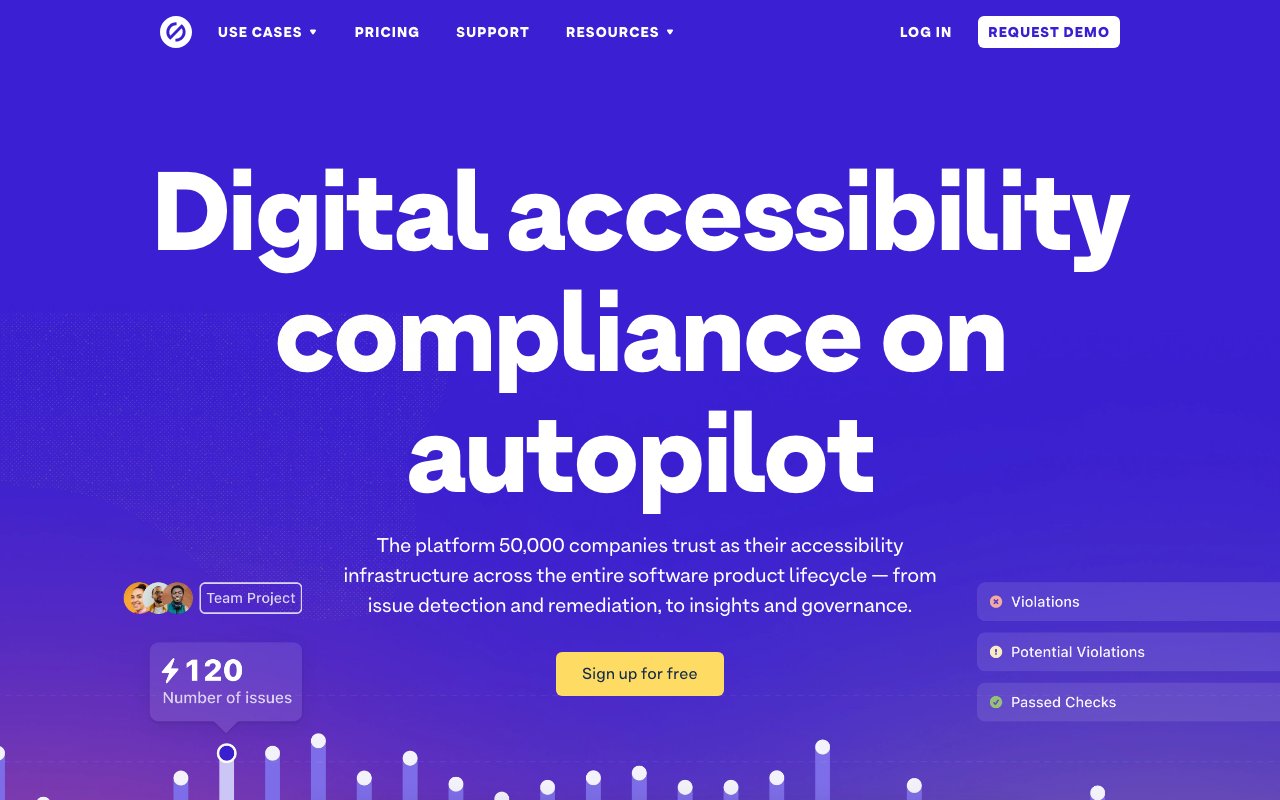
The A11y Project is a community-driven effort to make digital accessibility easier through practical, digestible resources and guides. It provides straightforward explanations of accessibility concepts, code examples, and actionable advice that helps designers and developers understand and implement accessibility best practices in their work.
Added Feb 2026
AdCreative.ai uses AI to generate high-converting ad creatives, social media posts, and banners in seconds. It scores each creative for predicted performance, helping marketing teams and designers produce on-brand visuals at scale without starting from scratch.
Adobe Firefly integrates AI image generation, generative fill, and text effects directly into Creative Cloud applications like Photoshop and Illustrator. Essential for designers already in the Adobe ecosystem who want seamless AI-powered workflows with ethically trained models and professional-grade output quality.
AudioBox is Meta's AI research tool for generating and transforming audio using natural language prompts and voice inputs. It can create speech, sound effects, and ambient audio — useful for designers building interactive prototypes or multimedia experiences.
Balsamiq is a rapid wireframing tool with a deliberately sketch-style aesthetic that keeps conversations focused on structure rather than visual polish. Its drag-and-drop component library makes it the fastest way to go from idea to wireframe, loved by product teams and stakeholders alike.
A curated roundup of the best design system documentation sites in the industry, from Shopify Polaris to IBM Carbon. Great reference for teams building their own design system docs — each example is analyzed for what makes it effective.
Blender Artists is the largest community forum for Blender users — featuring work-in-progress galleries, tutorials, technical discussions, and job postings. A vibrant hub where 3D artists share work, get feedback, and learn from each other.
Bolt.new creates complete full-stack applications from text prompts with live previews and instant deployment. Perfect for designers who want to validate concepts quickly, turning design ideas into working prototypes in hours instead of weeks, complete with frontend, backend, and database integration.
Bootstrap remains one of the most widely used CSS frameworks, and its UI kit provides responsive grid systems, components, and utility classes that work out of the box. These examples showcase Bootstrap's component library for rapid prototyping and production-ready interfaces.
Canva Magic Studio integrates AI video generation, background removal, animations, and text-to-image directly into an all-in-one design editor. Perfect for social media designers, marketers, and non-experts who need quick, branded content across multiple formats without learning separate tools.
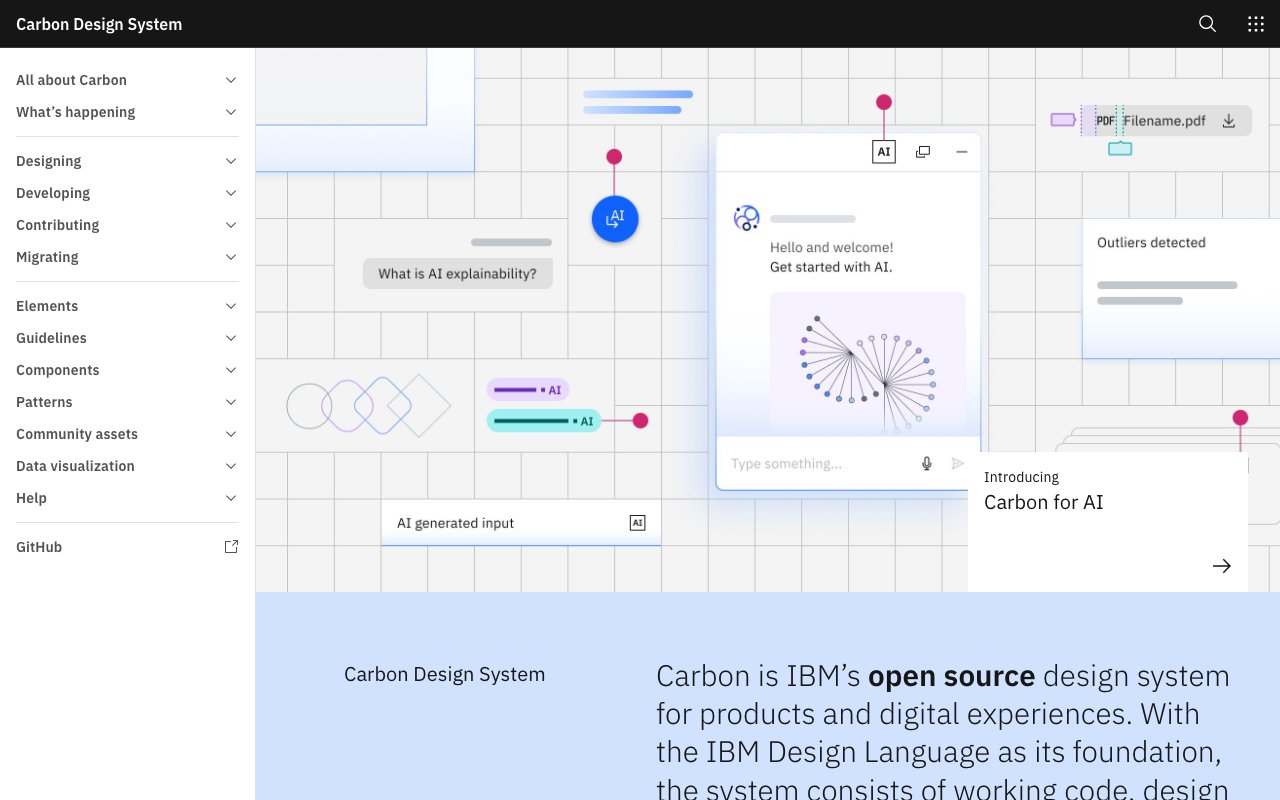
Carbon is IBM's open-source design system providing production-ready React and Web Components, Figma kits, design tokens, and comprehensive guidelines. Built on the IBM Design Language, it's a mature, well-documented system ideal for enterprise applications.
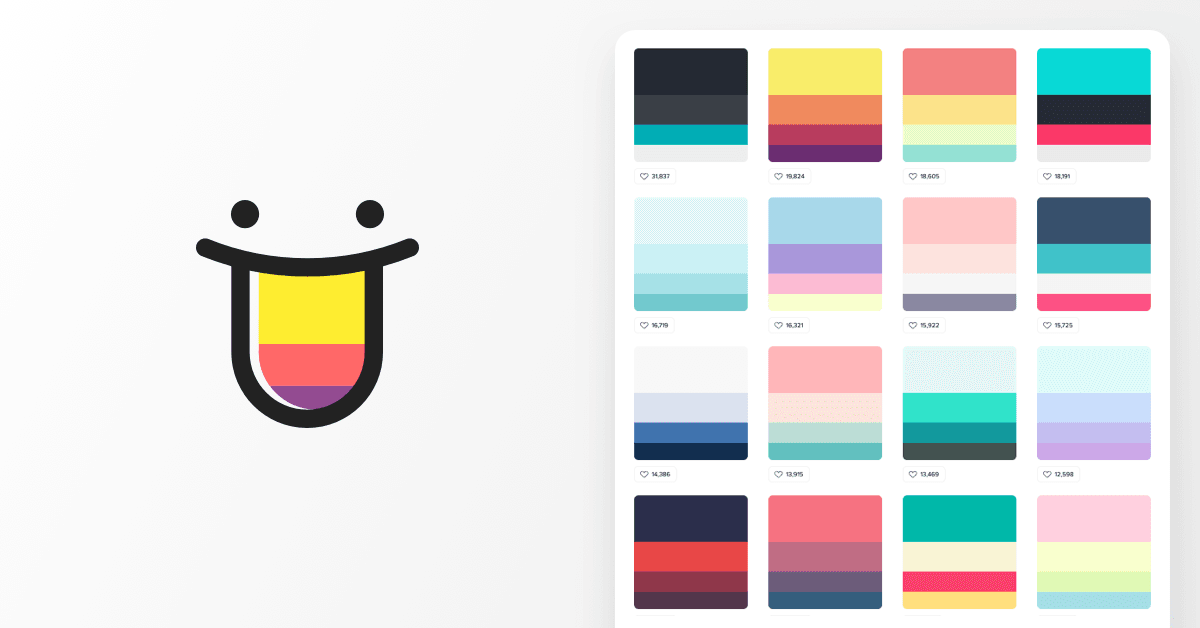
Color Hunt is a curated collection of beautiful color palettes updated daily by a community of designers. Browse by popularity, trending, or random — each palette is four colors you can copy with a click. Simple, fast, and endlessly browsable.
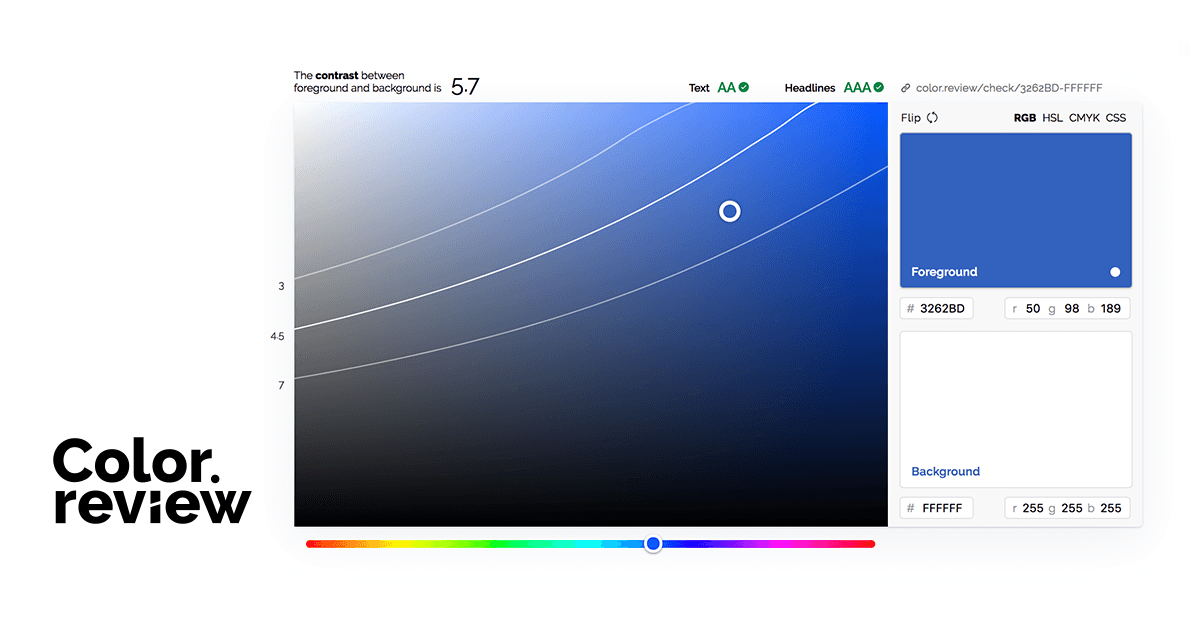
Color Review provides an intuitive visual interface for checking color contrast ratios between foreground and background colors. It shows real-time WCAG compliance ratings and offers an easy way to adjust colors until they meet accessibility standards, perfect for quick design decisions.
Color Safe is a web-based tool that generates accessible color palettes by ensuring all color combinations meet WCAG contrast requirements. It allows designers to input a base color and automatically suggests complementary colors that maintain proper contrast ratios for text and backgrounds.
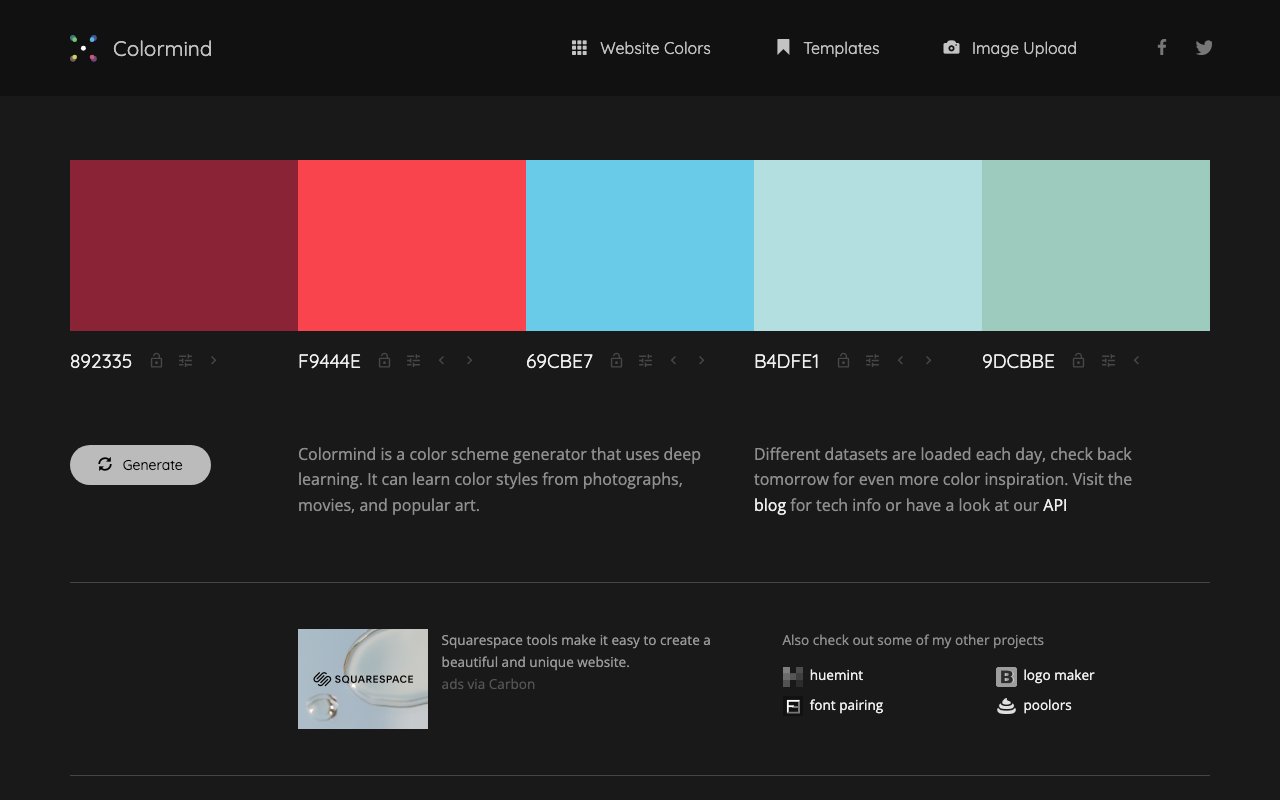
Colormind uses deep learning to generate color palettes from real-world sources like photographs, movies, and popular art. It can also smart-fill partial palettes, suggesting complementary colors based on patterns it learned from thousands of curated examples.
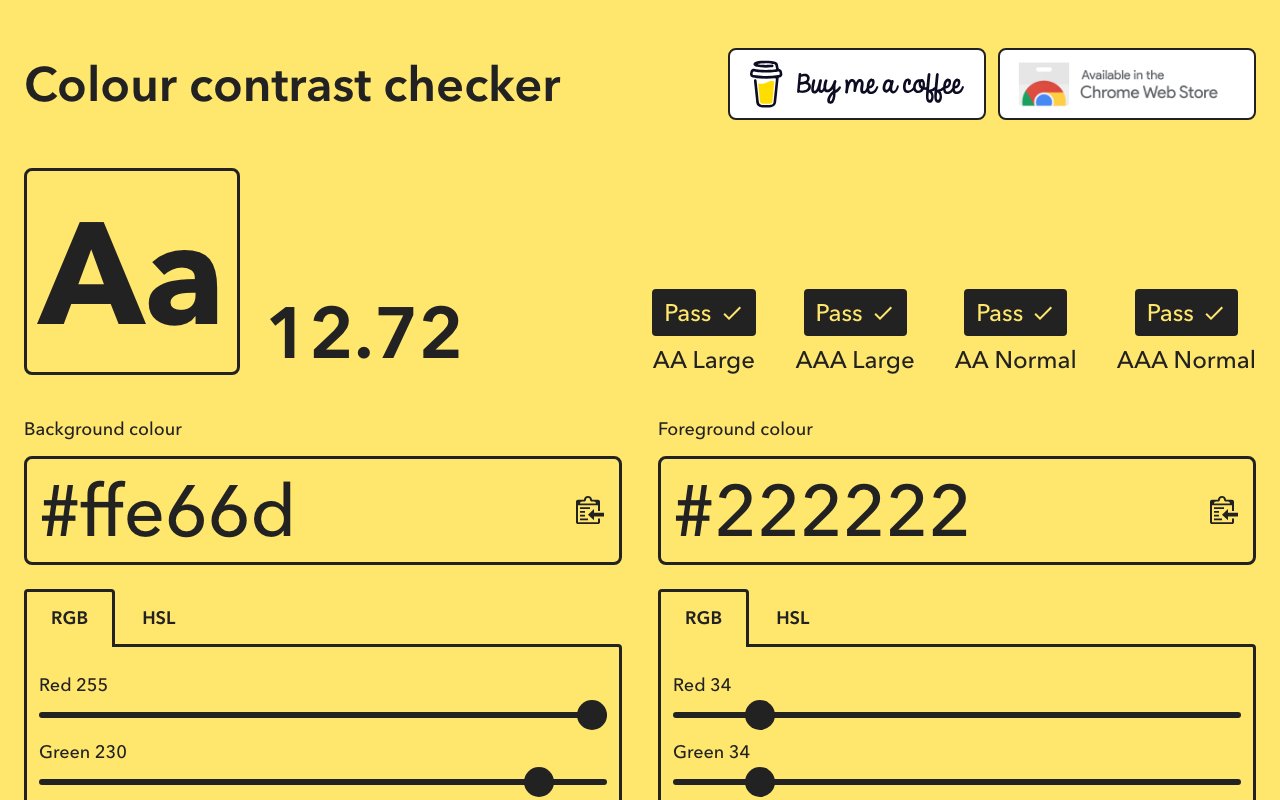
Colour Contrast Checker is a straightforward web tool that evaluates color combinations against WCAG 2.1 guidelines for normal and large text. It provides clear pass/fail indicators for AA and AAA compliance levels, making it easy for designers to ensure their color choices meet accessibility requirements.
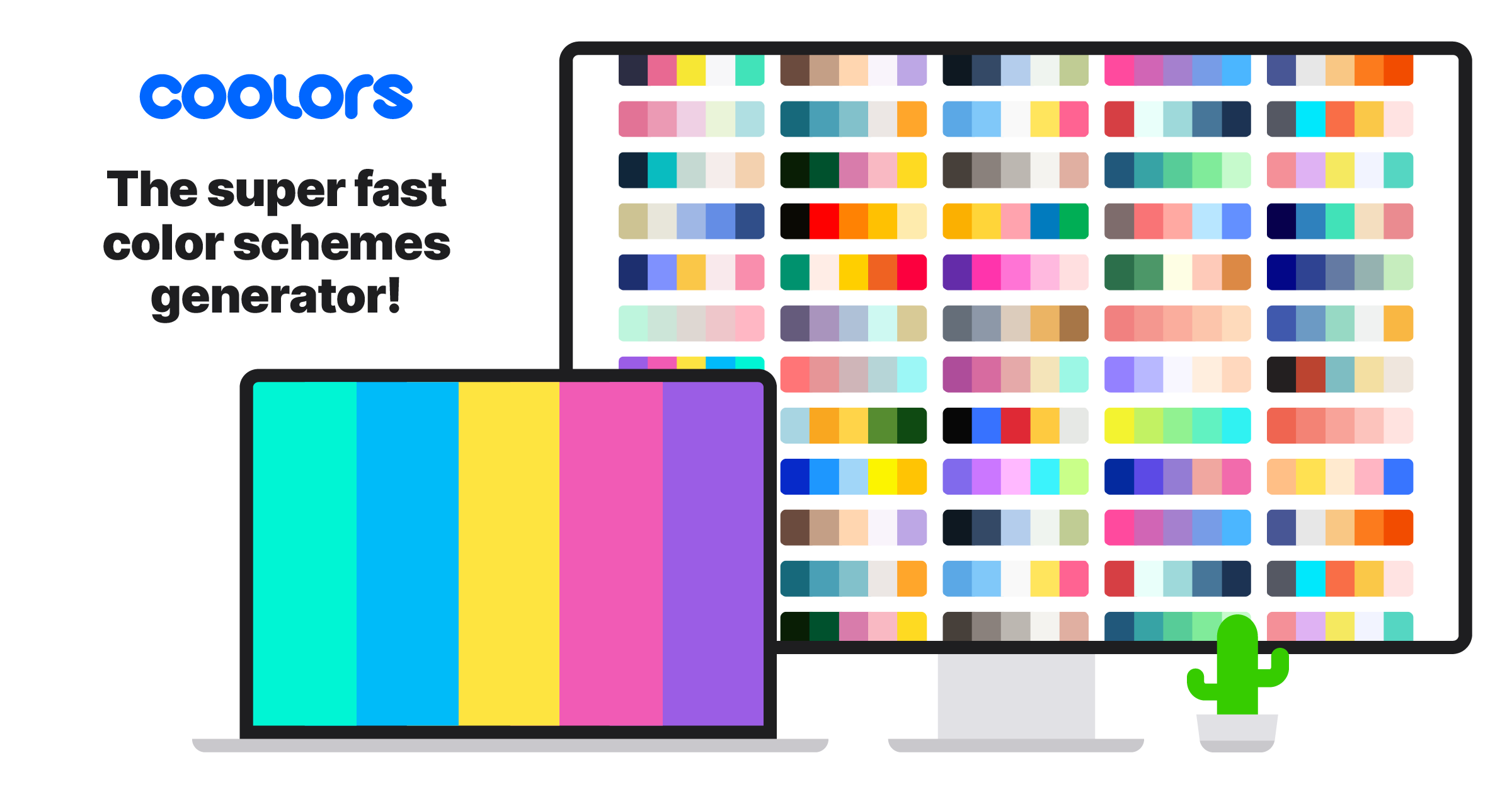
Coolors is the fastest color palette generator — press spacebar to cycle through harmonious combinations, lock colors you like, and fine-tune with advanced adjustments. Export to multiple formats, check contrast ratios, and explore trending palettes from the community.
Copy.ai is an AI writing assistant that generates marketing copy, blog posts, product descriptions, and sales emails from simple prompts. It helps design teams and marketers produce polished written content quickly, with templates tailored to specific use cases.
Another entry point to Collect UI's daily design inspiration drawn from Dribbble and beyond. Browse curated examples organized by design pattern to quickly find reference material for any UI component or screen type you're working on.
UpLabs (formerly iOSUp) is a design inspiration platform featuring daily curated iOS, Android, and web UI designs. Designers upload their work and share resources like UI kits, icons, and templates — a community-driven source of mobile design patterns.
DALL-E 3 leads in prompt accuracy and flawless text rendering, making it ideal for product mockups, marketing materials, and commercial designs. Its superior scene coherence and ChatGPT integration allows designers to iterate conversationally, perfect for creating precise visuals that match exact specifications.
A curated archive of design principles from teams across the industry — Apple, Google, GOV.UK, and hundreds more. Browse by company or principle type to find inspiration for establishing your own team's design values and decision-making framework.
Design System University offers structured courses on building, scaling, and governing design systems. Covers everything from token architecture and component APIs to organizational strategy and adoption — taught by experienced design system practitioners.
Design+Code offers practical courses bridging iOS design and development — covering SwiftUI, Xcode, Figma workflows, and app design patterns. Perfect for designers who want to understand development or developers looking to improve their design sensibility.
DesignSystems.media aggregates articles, talks, tools, and resources about design systems from across the web. A one-stop hub for staying current with best practices, new tools, and community discussions in the design systems space.
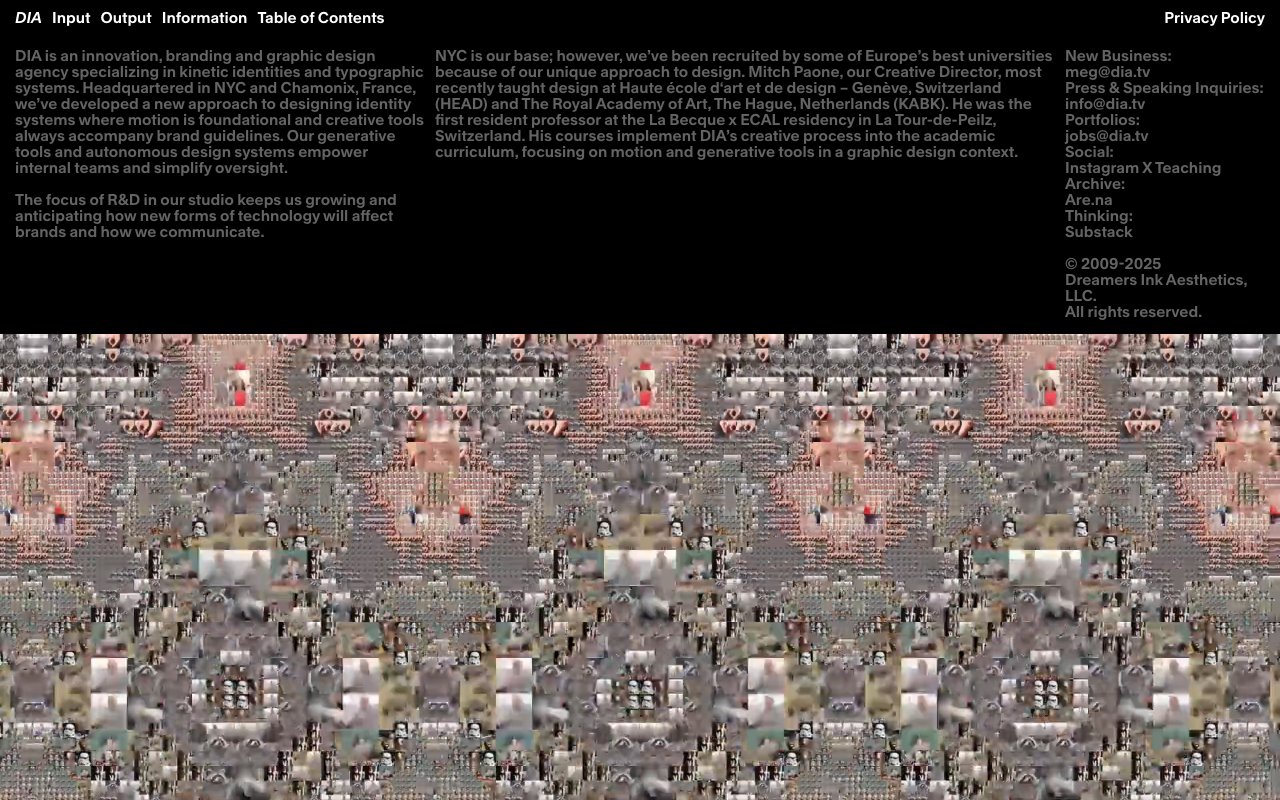
DIA is a multidisciplinary design studio known for bold, experimental branding and identity work. Their portfolio showcases dynamic visual systems, generative design, and distinctive typographic work — a constant source of inspiration for pushing creative boundaries.
Collect UI curates daily UI design inspiration organized by component type — login forms, pricing pages, dashboards, onboarding flows, and 100+ other categories. A focused resource for finding real-world UI patterns when you're designing specific screens.
Framer University is a structured learning platform with courses and tutorials for mastering Framer — from basic layout and animation to advanced CMS integration and custom code components. Great for designers leveling up their Framer skills systematically.
Godly is a curated gallery of the best web design on the internet, showcasing astronomically creative websites with cutting-edge interactions, animations, and visual storytelling. Updated daily, it's where designers go to see what's pushing the boundaries of web design.
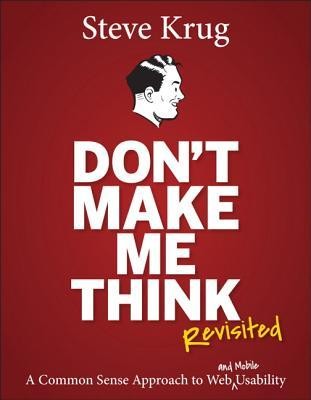
Steve Krug's classic on web usability that every designer should read at least once. Written with humor and packed with practical advice, it explains how people actually use websites and how to make interfaces self-evident. The revised edition adds mobile usability.
Framer Today Resources is a curated directory of the best Framer templates, components, plugins, and tutorials aggregated in one place. It's regularly updated and helps designers discover new resources for their Framer projects.
Ant Design is a comprehensive React UI framework created by Alibaba, providing 60+ polished enterprise components with TypeScript support, internationalization, and extensive theming. The accompanying Figma kit includes all components, making it a complete design-to-development system.
ElevenLabs delivers the most realistic AI text-to-speech available, with voice cloning, multilingual support across 70+ languages, and fine-tuned emotional control. Designers use it for prototype voiceovers, accessibility testing, and creating audio content without recording studios.
Endless Tools is a collection of generative design tools for creating unique patterns, gradients, and abstract compositions. Each tool focuses on a specific creative technique — noise, grids, waves — letting designers produce one-of-a-kind visuals for backgrounds, posters, and branding.
Jakob Nielsen's 10 Usability Heuristics are the foundational principles every UI designer should know by heart. This seminal article from the Nielsen Norman Group explains each heuristic with clear examples — from system visibility to error prevention — and remains the gold standard for usability evaluation.
The Framer Community's eCommerce support hub provides guides, templates, and community help for building online stores with Framer. Covers Shopify integration, product pages, cart functionality, and checkout flows.
Everything Framer is an all-in-one resource directory cataloging templates, components, tutorials, plugins, and inspiration specifically for Framer. A comprehensive hub for finding whatever you need for your next Framer project.
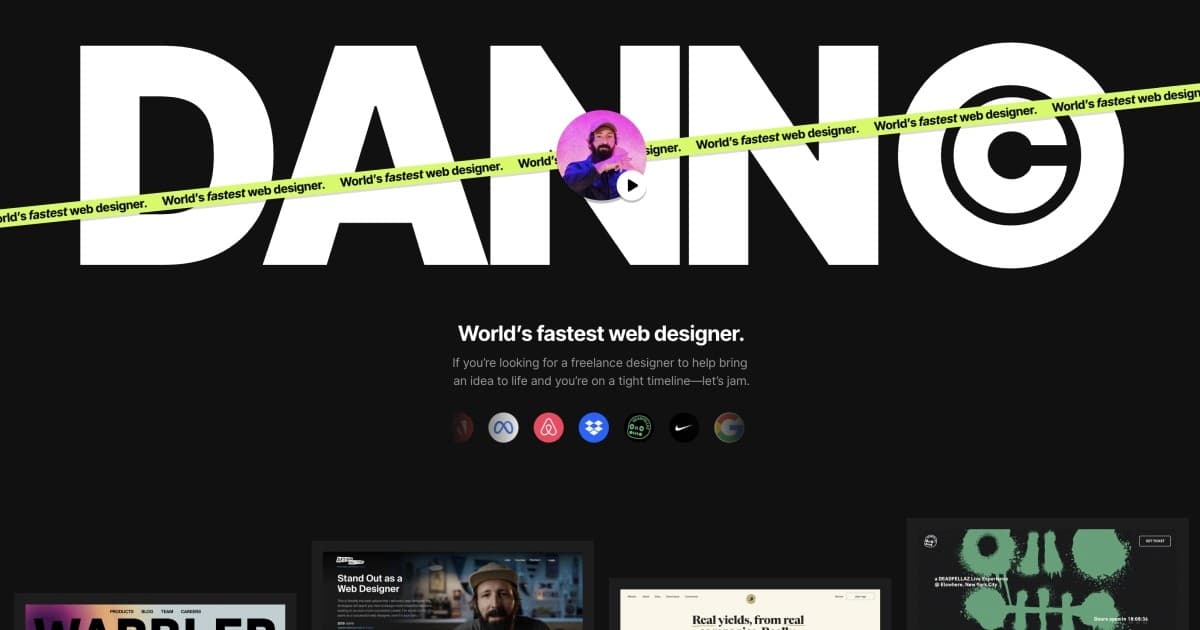
Dann Petty's website showcases the work of one of the web's most creative freelance designers — known for stunning one-page websites, the Epicurrence design conference, and rapid design execution. His portfolio and resources inspire designers to push creative boundaries.
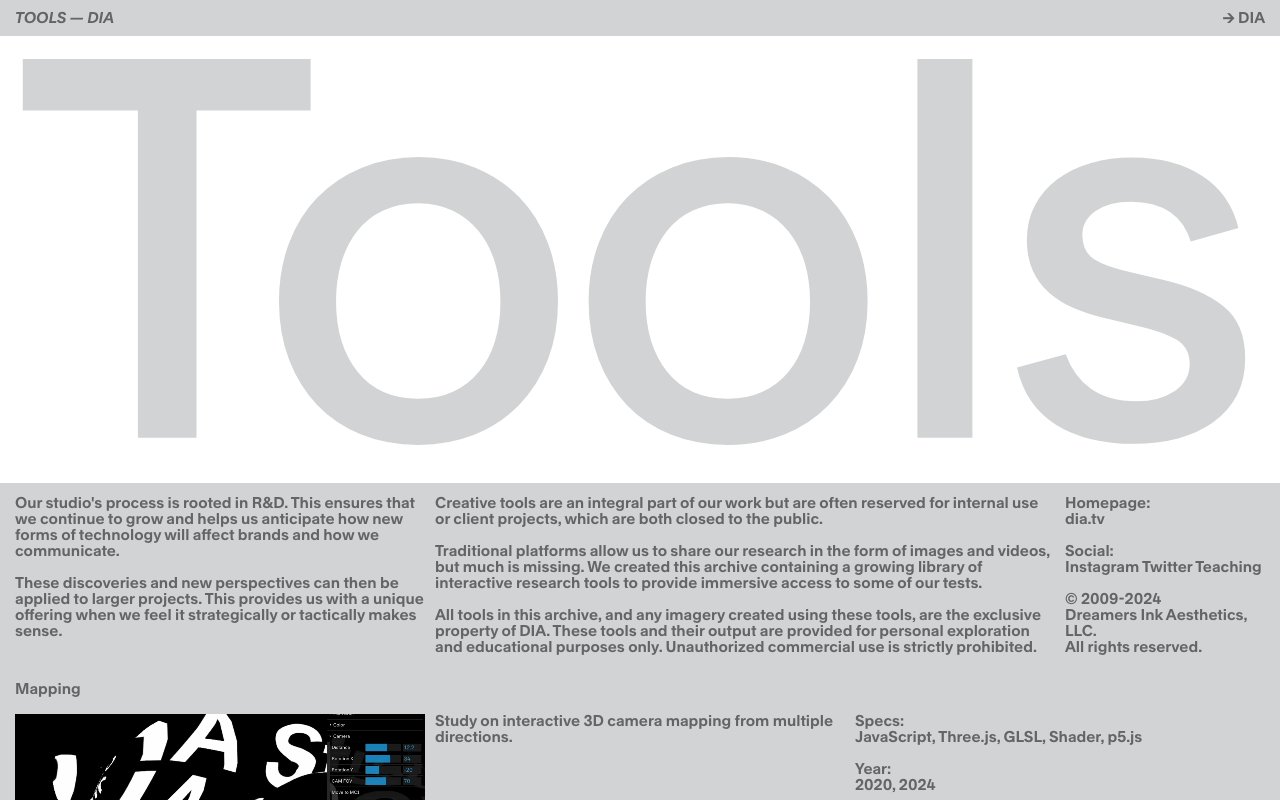
DIA's Tools Archive is a curated collection of creative software, utilities, and experiments from the DIA design studio. It surfaces lesser-known tools alongside industry staples, helping designers discover new additions to their creative toolkit.
Figma's AI features include image generation, background removal, text rewriting, and code generation from designs. Streamlines the entire design workflow by automating repetitive tasks, allowing designers to focus on creative decisions while maintaining consistency across design systems and team collaboration.
Fluent 2 is Microsoft's cross-platform design system providing components, design tokens, and guidelines for building apps across Windows, web, iOS, and Android. Its adaptive design language ensures consistency while respecting each platform's conventions.
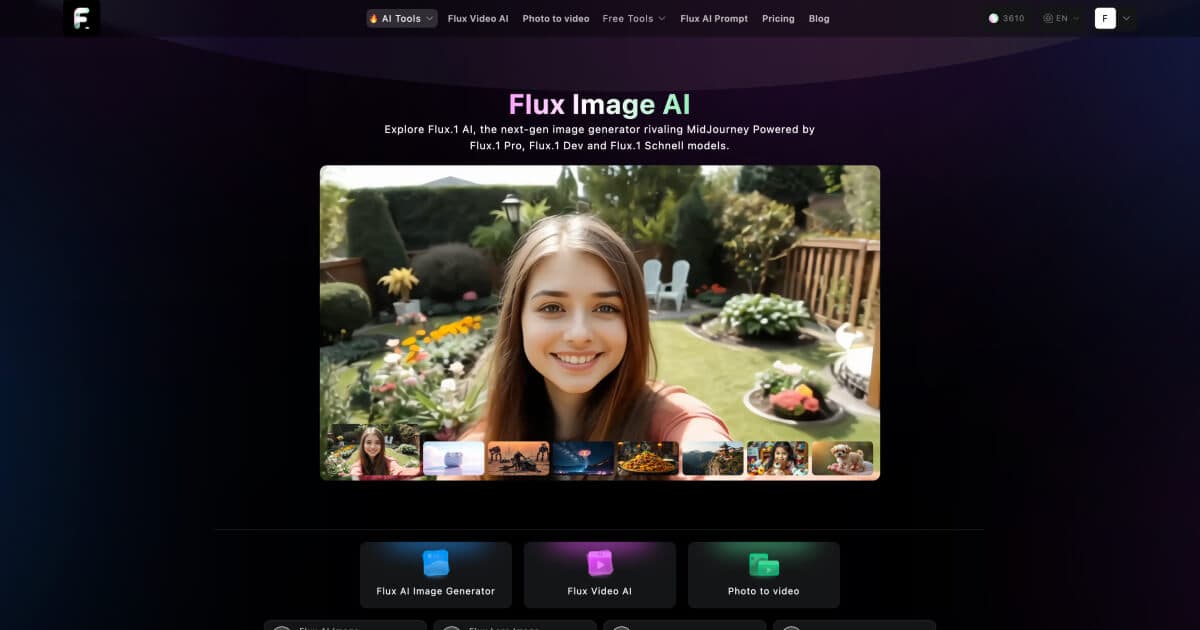
Flux AI delivers superior photorealism with accurate anatomy, lighting, and up to 4MP resolution while maintaining fast generation speeds. Perfect for designers who need high-quality realistic imagery, product mockups, and commercial visuals without common AI artifacts like distorted hands or unnatural physics.
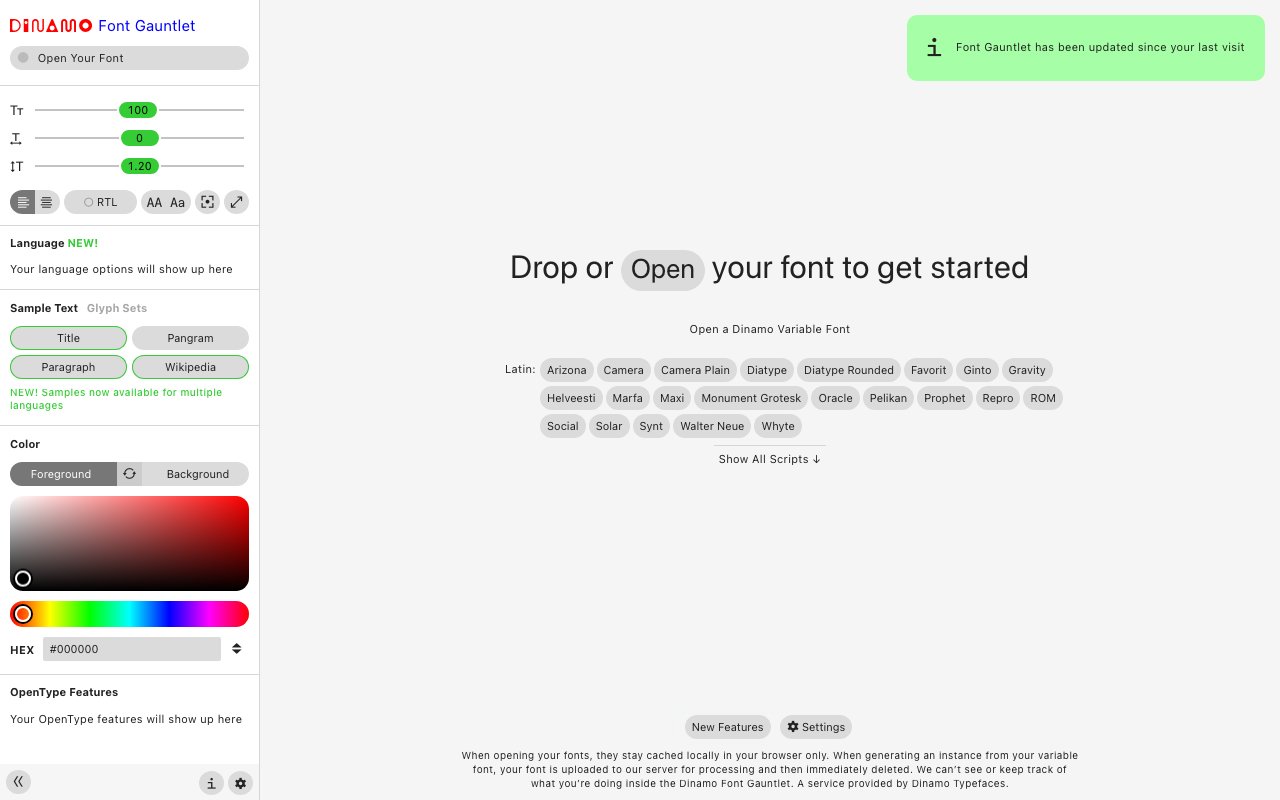
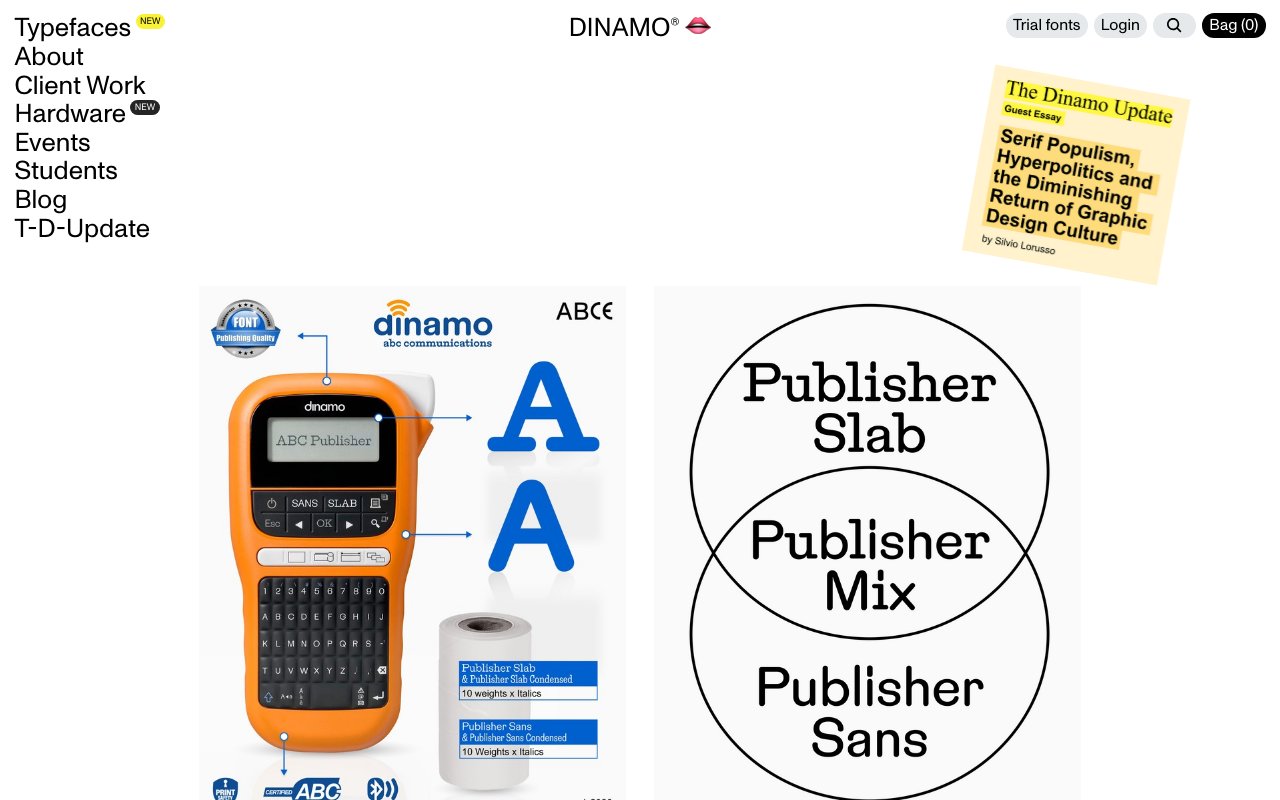
Font Gauntlet by Dinamo—proof, generate, and animate variable fonts in your browser. Free tool for designers to test typography before you buy. Try now.
Font Squirrel curates free, commercially-licensed fonts that are safe to use in any project. Its Webfont Generator is a go-to tool for converting fonts to web-optimized formats, and the font identifier helps you match fonts from images.
Font Awesome is the internet's most popular icon library with 30,000+ icons across free and pro tiers. It supports web fonts, SVG, and framework integrations, with extensive category coverage from UI elements to brand logos.
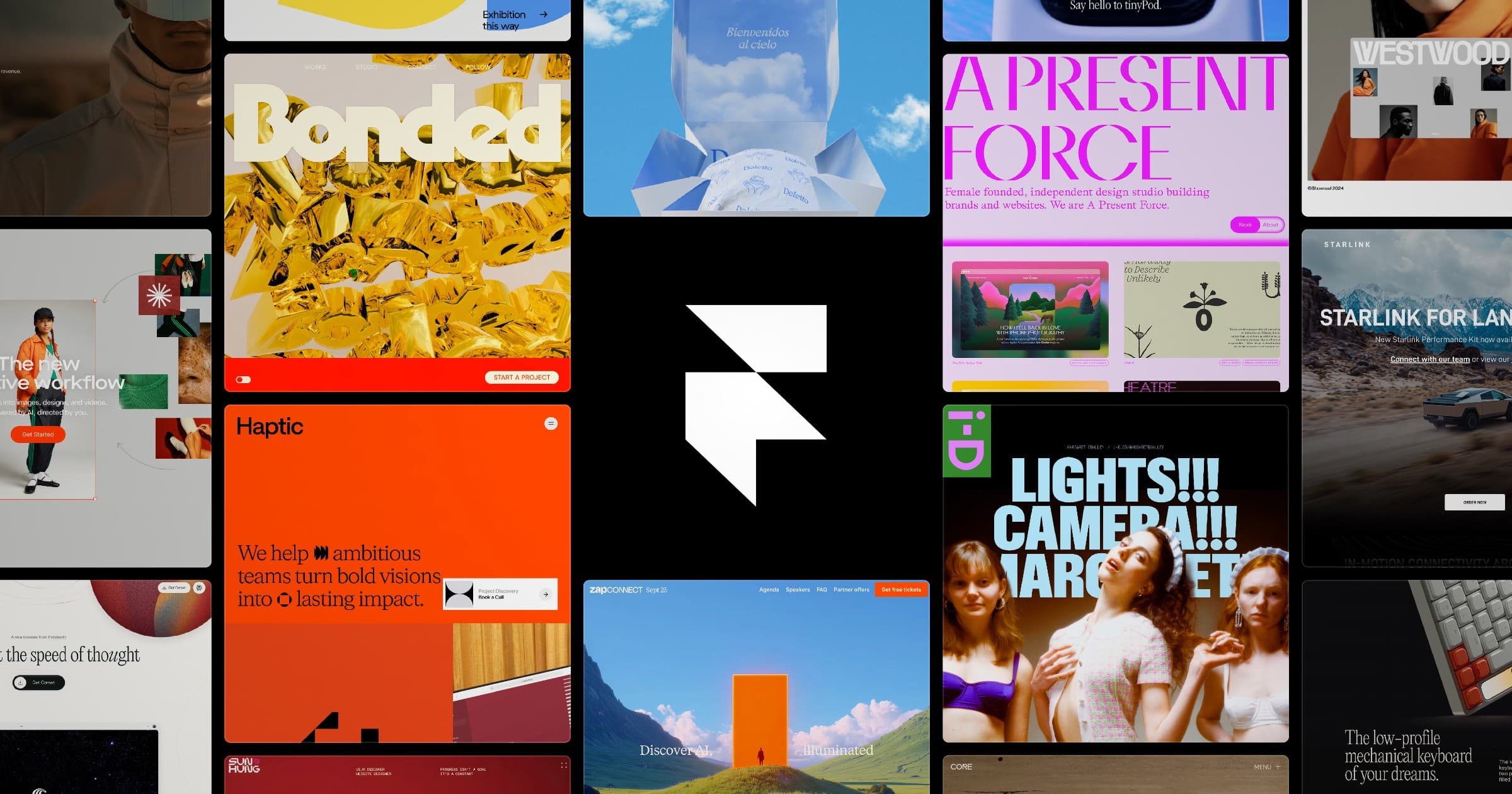
Framer AI generates responsive web layouts, prototypes, and high-fidelity sites from text prompts with built-in performance optimization. Perfect for web designers and startups who need to quickly create production-ready websites that are both visually stunning and technically optimized.
The official Framer Community resource section where designers share free templates, components, and code overrides. A community-driven knowledge base for learning techniques, troubleshooting, and finding reusable design assets.
Well-balanced design system with 5,500+ components featuring Auto Layout, dark mode support, and 420+ building blocks with comprehensive iconography. Ideal for mid-weight web and app designs requiring solid component coverage without overwhelming complexity.
Friends of Type is a collaborative typographic project showcasing original letterforms, type experiments, and lettering art. It celebrates type as an expressive art form beyond functional communication — pure inspiration for typography enthusiasts.
Frontify is a brand management platform that helps teams create, maintain, and share brand guidelines, digital asset libraries, and design system documentation in one centralized hub. Used by companies like Uber and Lufthansa to keep brand consistency at scale.
Fryderyk is a web-based AI music composition tool that suggests chord progressions, melodies, and rhythms as you build. It's a creative starting point for designers and creators who need original background music for videos, presentations, or interactive projects.
Gamma generates professional presentations, documents, and webpages from text prompts in minutes with smart layouts and templates. Perfect for designers and consultants who need to create pitch decks, client presentations, and branded documents quickly while maintaining visual consistency and professional quality.
Google Fonts is the largest free, open-source font library with 1,500+ families optimized for web performance. The API serves fonts via global CDN, and the directory helps you browse, pair, and test fonts with live previews before adding them to your project.
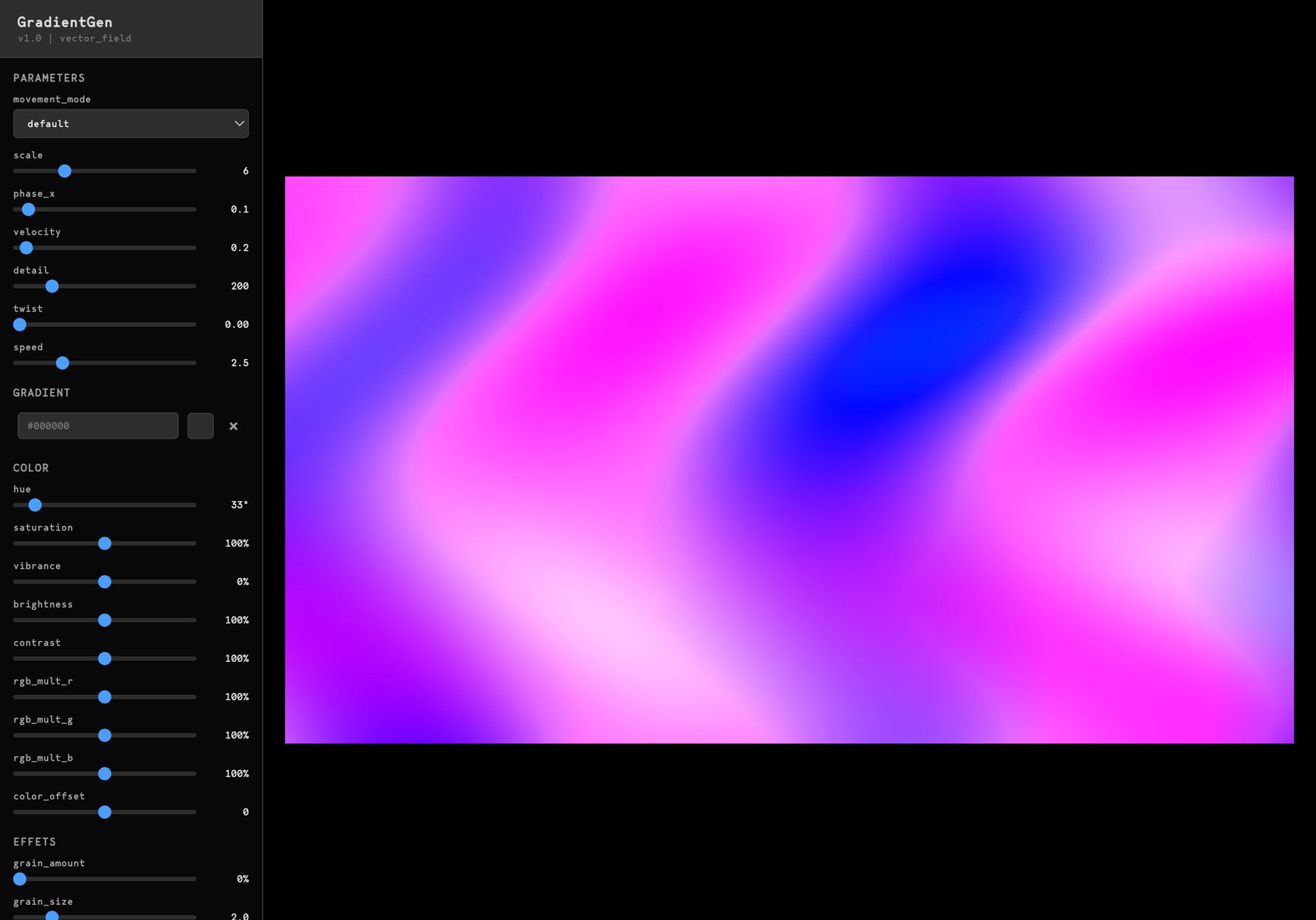
8 gradient modes, 20+ customizable variables, export up to 8000px. Free browser-based gradient generator with unlimited use.
An analysis of emerging graphic design trends covering AI-generated art, retro maximalism, 3D typography, sustainable design aesthetics, and more. Useful for designers staying current with visual directions and client expectations.
HeyGen creates realistic AI avatars that speak in 140+ languages with 4K output and collaborative editing features. Ideal for UX designers creating product demos, marketing teams needing personalized video content, and content creators who want professional-looking spokesperson videos without filming.
Icons8 provides 1.4 million icons in 47 styles, plus photos, illustrations, and music — all in one platform. Its consistency across styles, Figma/Photoshop plugins, and inline editing tools make it a comprehensive visual asset library for design teams.
Ideogram excels at generating images with accurate text integration, making it invaluable for designers creating logos, signage, and text-heavy graphics. Its superior text rendering capabilities rival DALL-E for readability while offering more stylistic flexibility for branding and identity design projects.
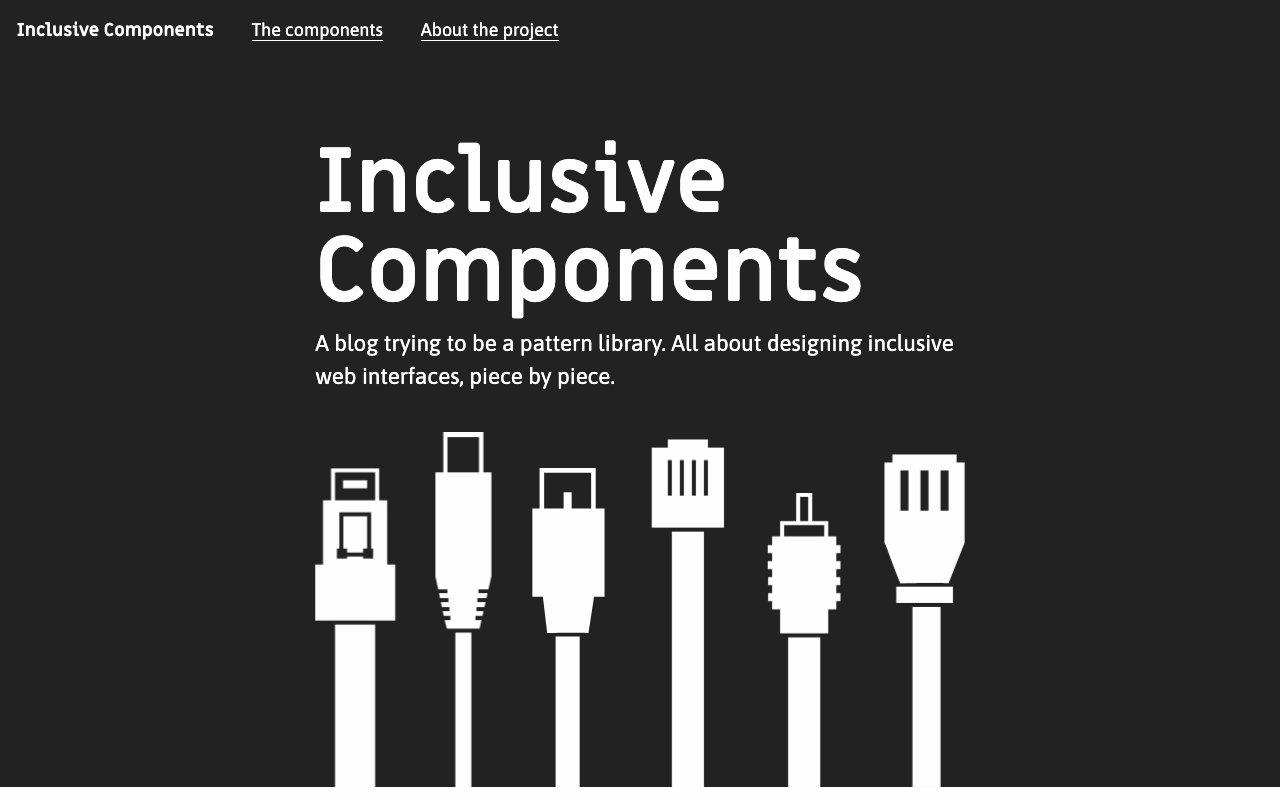
Inclusive Components by Heydon Pickering provides detailed, practical examples of how to build common UI components with accessibility built-in from the start. Each post breaks down the design and development considerations needed to create truly inclusive interfaces, making complex accessibility concepts approachable and actionable.
A candid collection of insights from Apple employees about what it's really like to work at the company — covering design culture, collaboration challenges, and the reality behind the polished exterior. Eye-opening for designers curious about big tech design teams.
The Interaction Design Foundation is the world's largest online design school, offering 40+ self-paced courses on UX, UI, design thinking, and information architecture. Courses are taught by industry leaders like Don Norman and Aarron Walter, with certificates upon completion.
Jerry-Lee Bosmans is a digital artist known for vibrant, colorful 3D illustrations and visual experiments. His portfolio showcases bold compositions that blend abstract and figurative elements — inspiring for anyone exploring expressive digital art and illustration.
Kling AI delivers superior motion quality and physics simulation, particularly excelling at water effects and realistic human movement. Ideal for designers creating action sequences, product demonstrations, or any content requiring believable physics and smooth, natural motion dynamics.
Kyle T. Webster is a world-renowned illustrator and the creator of the most popular Photoshop brushes (now included free with Adobe CC). His portfolio showcases editorial and commercial illustration with distinctive character and texture.
LDRS provides a collection of beautiful, lightweight loading animations as web components. Each loader is customizable via attributes (size, color, speed), zero-dependency, and works with any framework — perfect for adding polished loading states to any project.
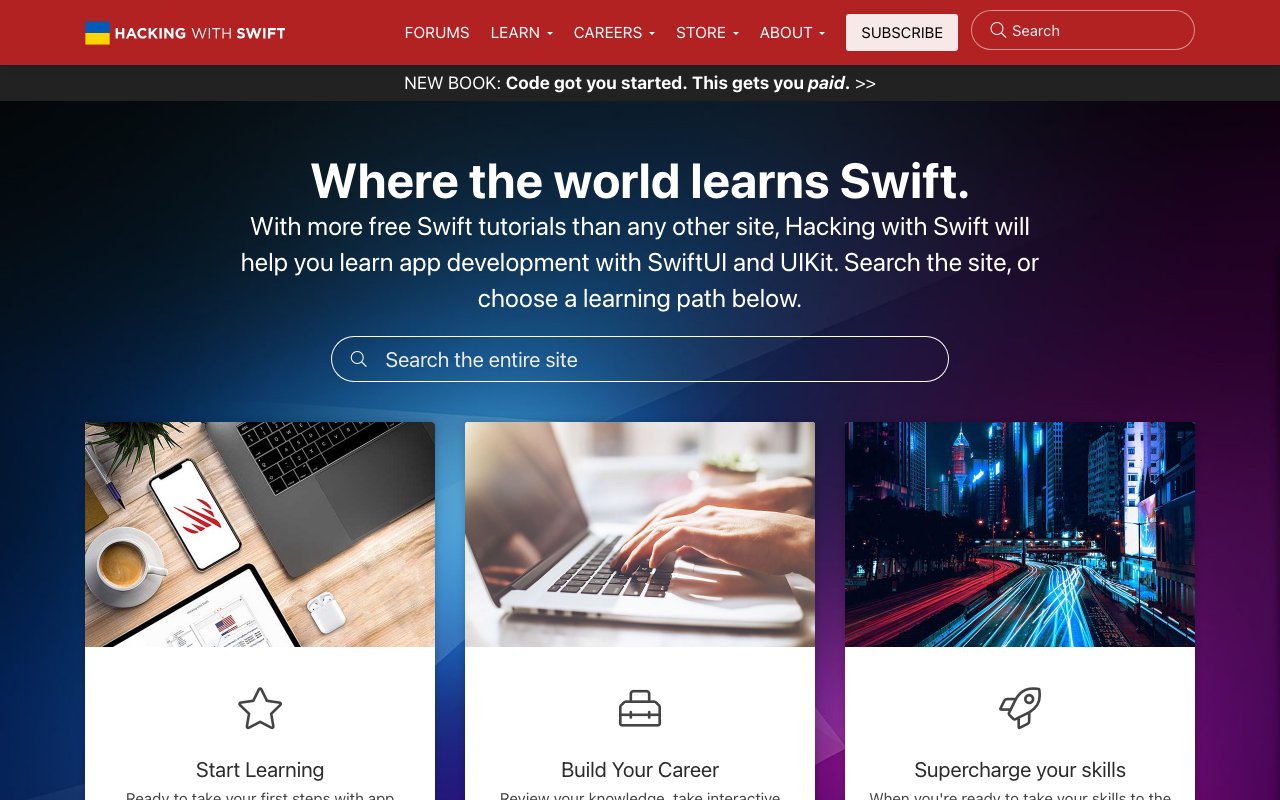
Hacking with Swift is the most popular free resource for learning iOS development with Swift and SwiftUI. Paul Hudson's project-based tutorials take you from beginner to advanced with practical, hands-on lessons that build real apps.
The IxDF's beginner-friendly course on mobile UX design covers platform-specific patterns, touch interaction design, responsive layouts, and the human-centered design process. A structured path for designers transitioning to or improving their mobile design skills.
Learn UI Design by Erik Kennedy is a comprehensive online course focused specifically on visual UI design — color, typography, layout, spacing, and visual hierarchy. Known for its practical approach and before/after examples that make abstract principles concrete.
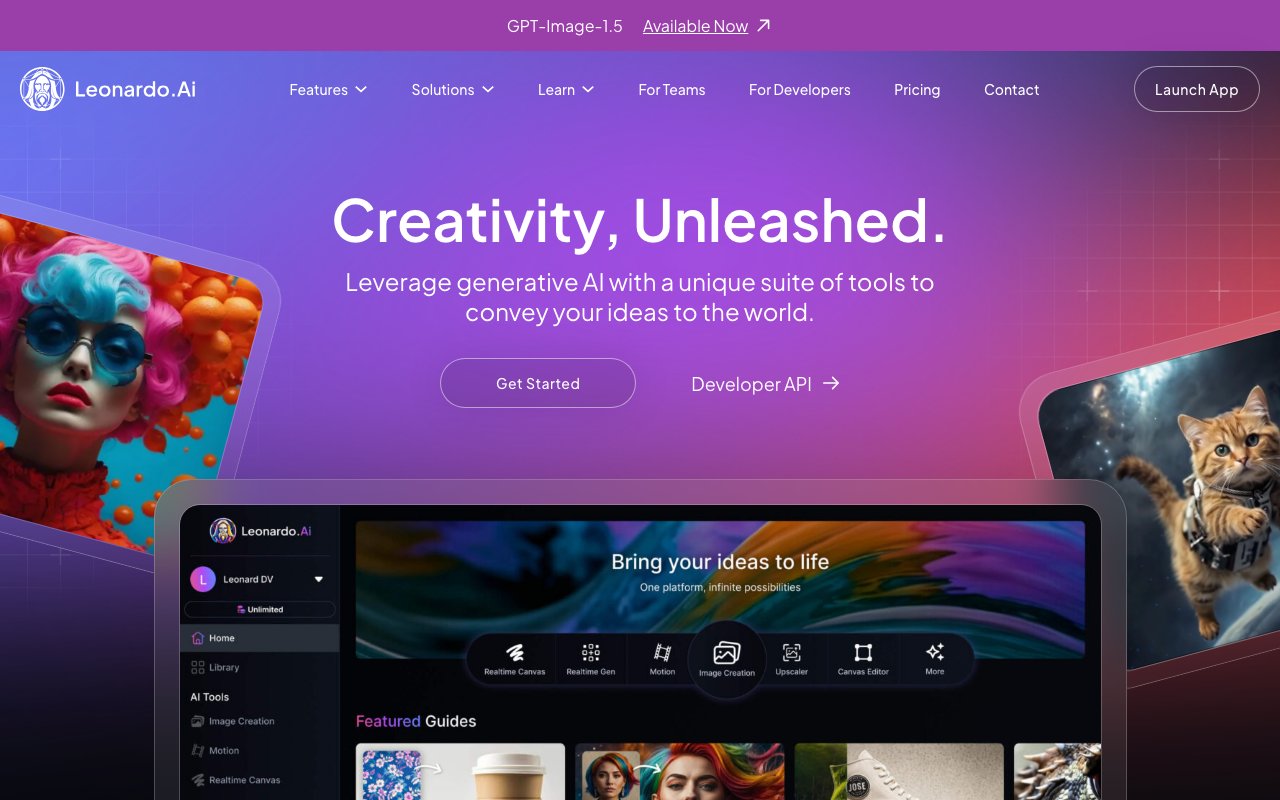
Leonardo AI offers fine-tuned models for specific aesthetics and strong character consistency, making it perfect for game assets, character design, and brand visuals. Designers can maintain visual consistency across projects while having granular control over style parameters and custom model training.
Loops is a modern email platform designed specifically for SaaS companies, offering transactional emails, marketing campaigns, and automated sequences with a clean, developer-friendly interface. Its visual email builder helps designers create branded communications without wrestling with HTML email quirks.
LottieFiles is the ecosystem for Lottie animations — a lightweight, scalable animation format that plays natively on web and mobile. Browse 100,000+ free animations, create your own with their web editor, and integrate them with a simple embed code or SDK.
Lovable generates full-stack applications with integrated authentication, payments, and databases from simple prompts. Ideal for designers and product teams who want to create functional prototypes without coding knowledge, featuring Supabase integration and real-time collaboration for rapid iteration.
Luma AI uses NeRF technology to create highly photorealistic 3D models from video footage with detailed textures and lighting. Essential for VR/AR designers, filmmakers, and product designers who need accurate 3D representations of real-world objects with professional-grade visual fidelity.
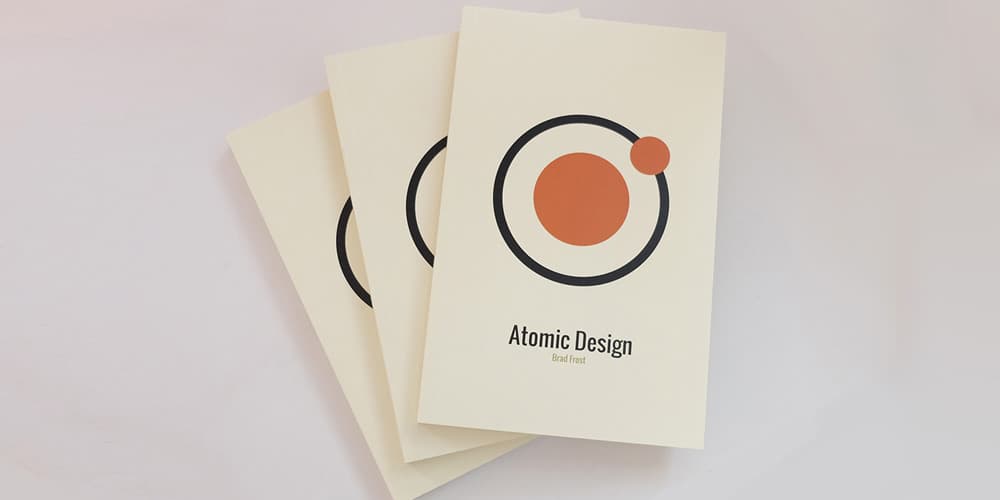
Brad Frost's chapter on maintaining design systems from his book Atomic Design tackles the hardest part of design systems — keeping them alive. Covers governance models, regular check-ins, handling updates, and building a culture of contribution.
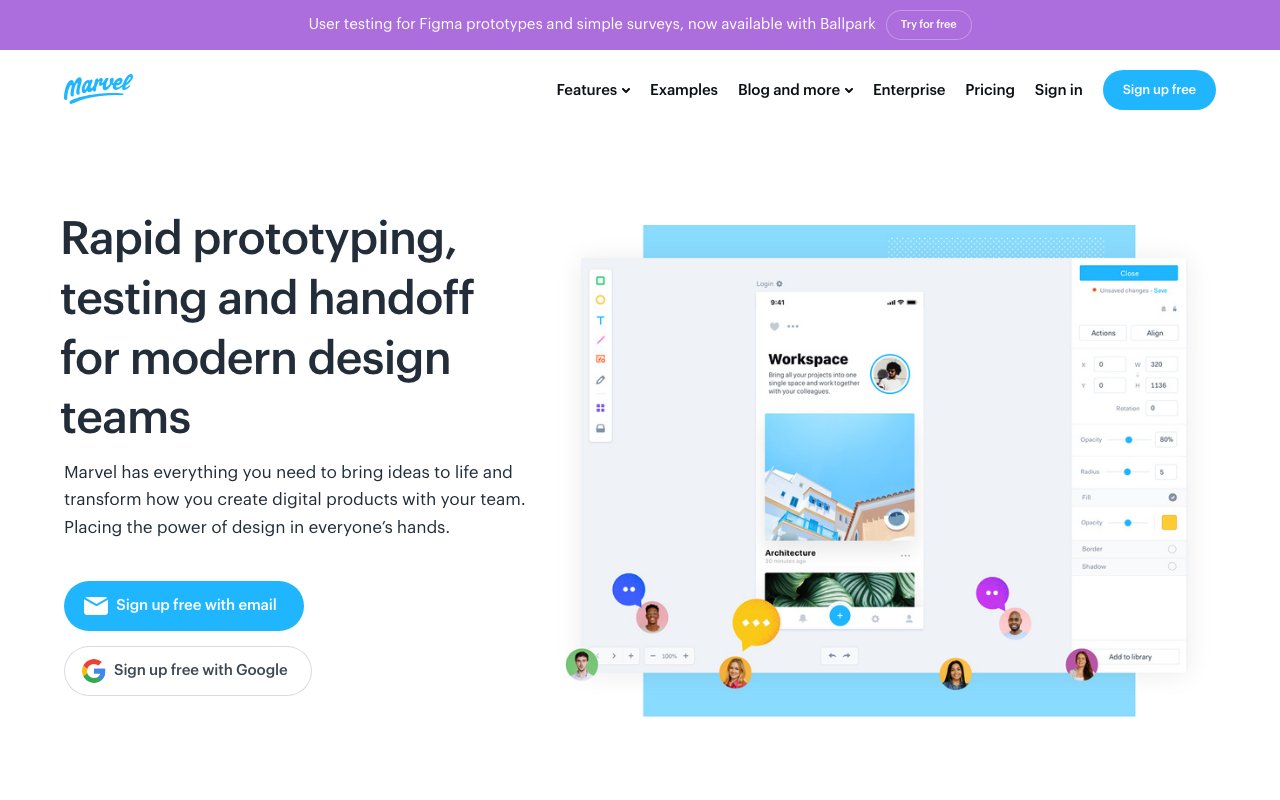
Marvel is an all-in-one design platform that covers wireframing, prototyping, user testing, and developer handoff in a browser-based tool. Its simplicity makes it great for quick prototypes and non-designer stakeholders who need to contribute to the design process.
Google's official Material Design resources provide UI kits, icons, fonts, and implementation guidelines for building interfaces that follow Material Design principles. The comprehensive system covers components, motion, theming, and accessibility across platforms.
Omlet analyzes your codebase to show exactly how design system components are being used — adoption rates, prop usage patterns, and which teams are (or aren't) using the system. Data-driven insights for proving design system ROI and identifying gaps.
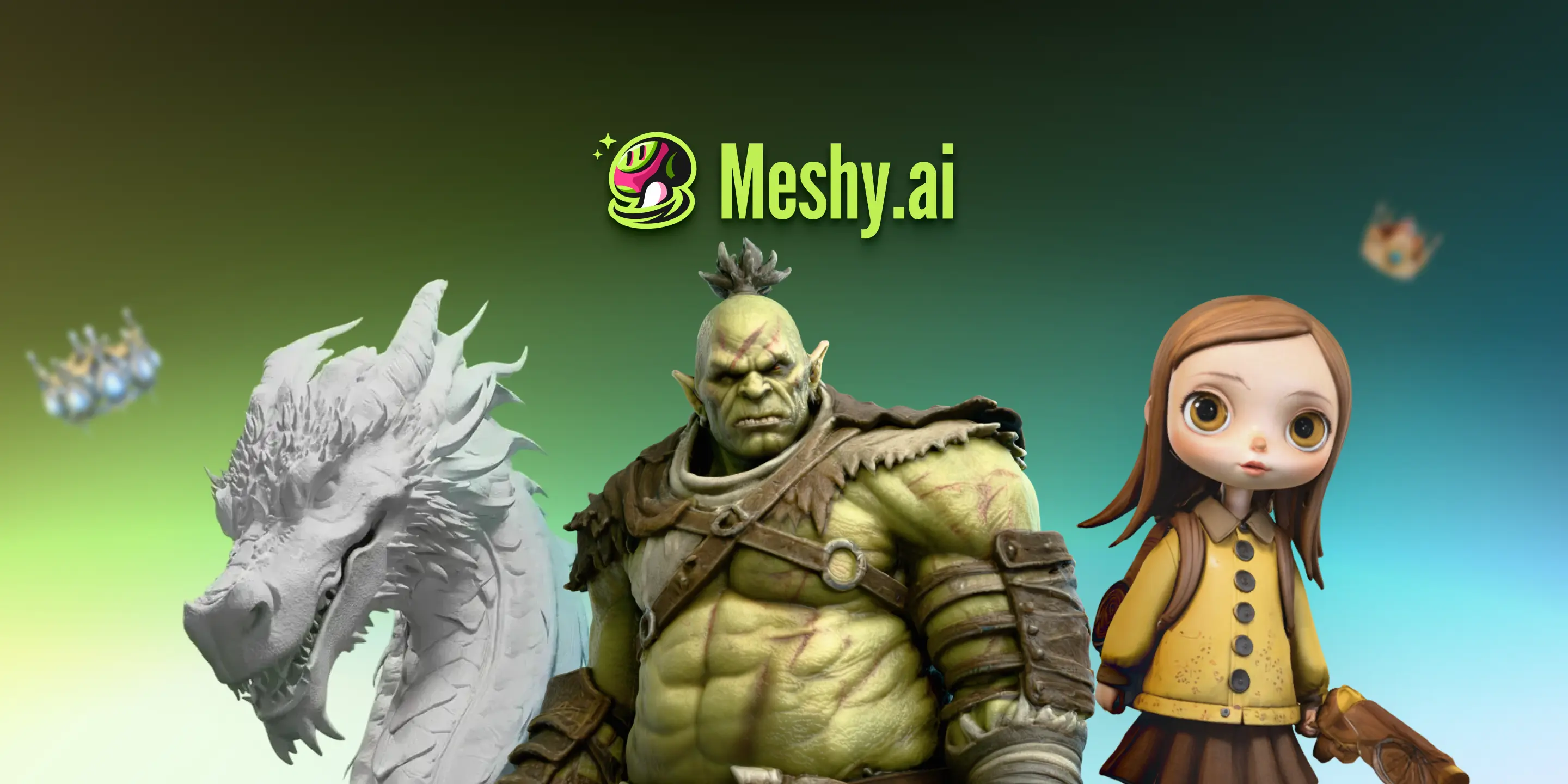
Meshy generates 3D models from text or images in 2-5 minutes, reducing traditional modeling time from hours to minutes. Perfect for game designers, product designers, and 3D artists who need rapid prototyping with seamless integration into Blender, Unity, Maya, and Unreal Engine workflows.
Midjourney specializes in creating stunning, artistic visuals with dramatic lighting and surreal aesthetics that excel at mood-driven design work. Perfect for designers who need conceptual art, mood boards, or cinematic visuals for branding and storytelling projects where emotional impact matters more than literal accuracy.
Mobbin is the go-to research tool for UI/UX designers, featuring a searchable library of 300,000+ screenshots from real iOS, Android, and web apps. Filter by screen type, flow, or element to quickly find how top products solve specific design problems.
Modulor is an open-source design system providing a comprehensive set of accessible web components, design tokens, and documentation. Built for flexibility, it offers a solid foundation for teams who want a customizable starting point rather than building from scratch.
NoCode.tech is a curated directory and learning resource for no-code tools, featuring tool comparisons, tutorials, and discount codes. It helps designers and entrepreneurs discover the right no-code platforms for building products without traditional programming.
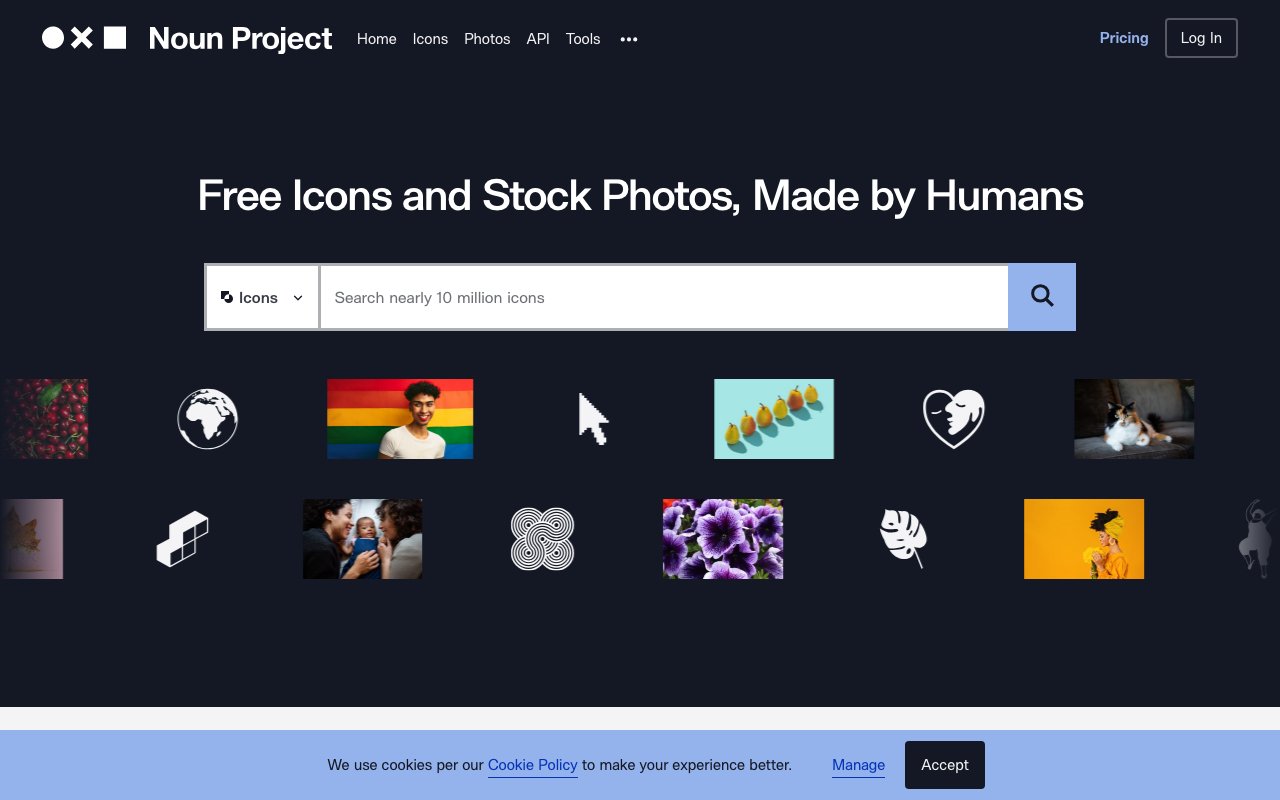
The Noun Project is a massive community-driven icon library with over 5 million icons covering virtually every concept imaginable. Beyond standard UI icons, it excels at finding icons for niche topics, ideas, and cultural symbols.
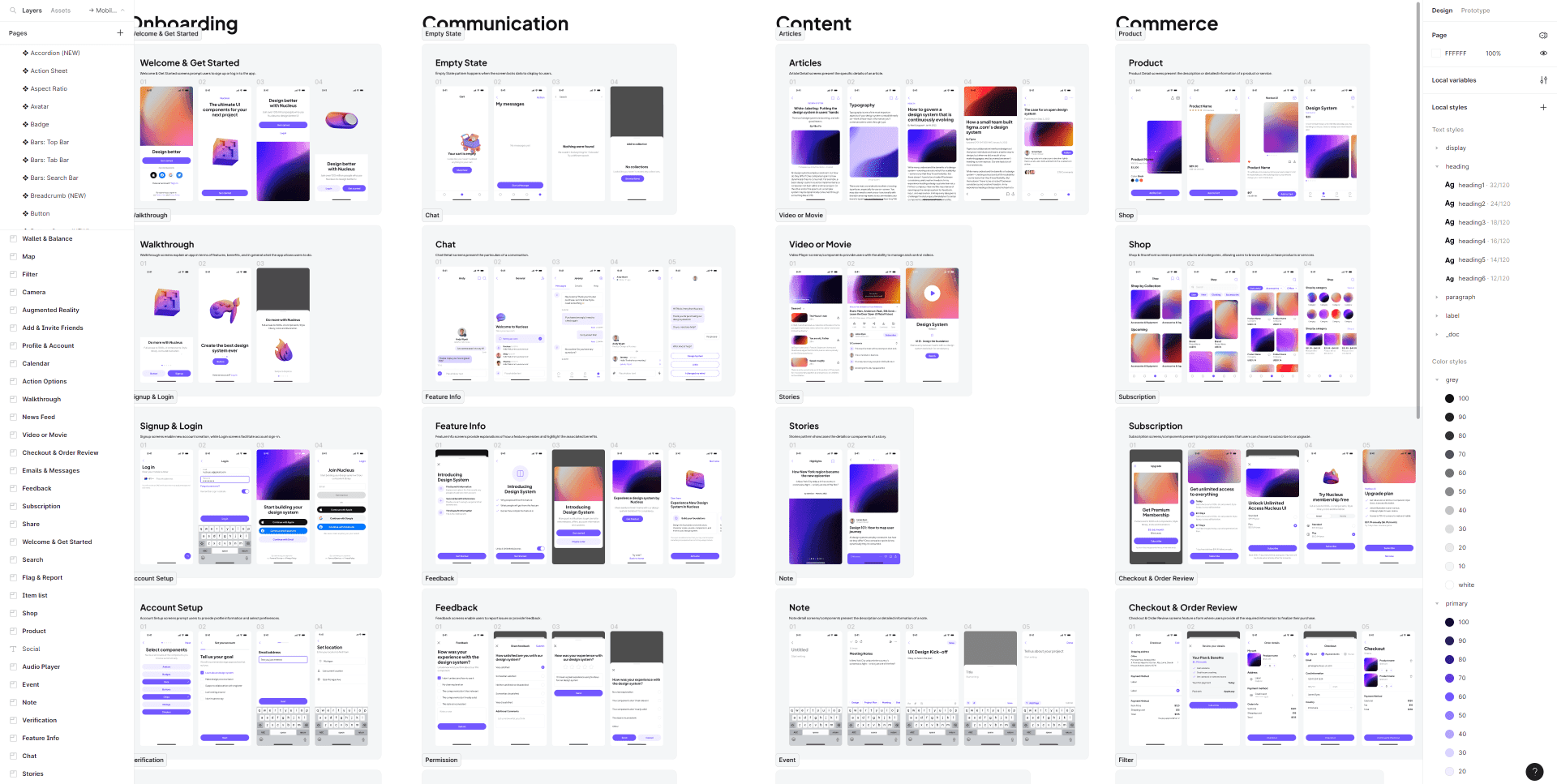
Versatile UI kit with 1,000+ components and variants, 500+ mobile screens across 9 themes including e-commerce, finance, NFT, and events. Perfect for comprehensive app prototypes with both mobile and web components in a unified design system.
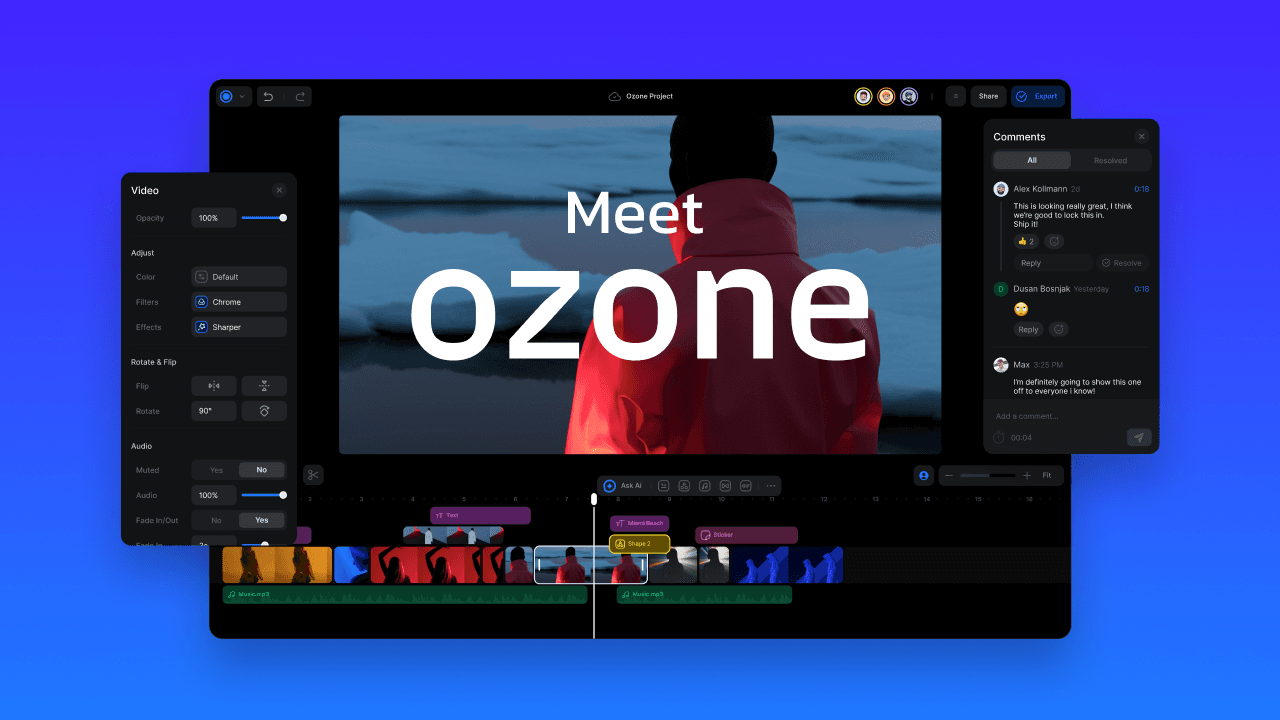
Ozone is an AI-powered video creation platform that helps you produce professional-quality videos from text prompts and templates. It streamlines the video production process for marketing teams and designers who need polished video content without complex editing skills.
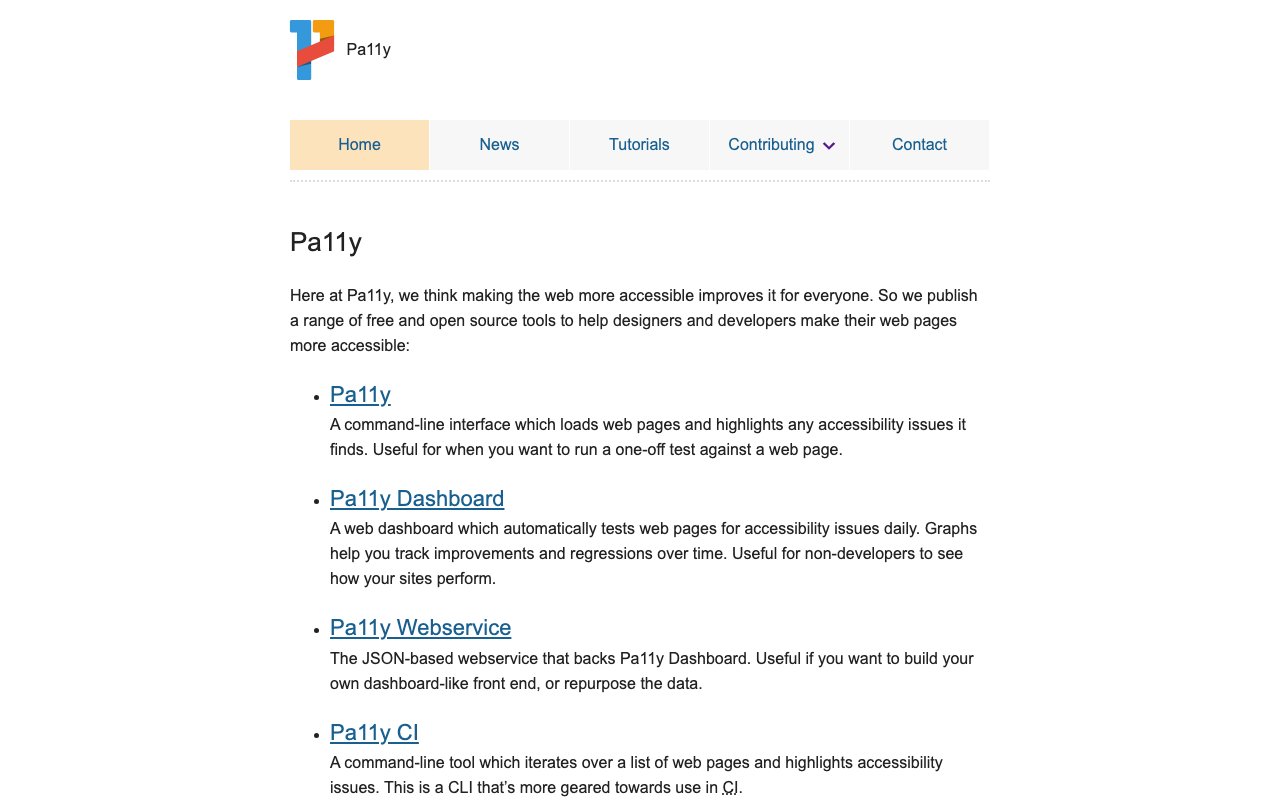
Pa11y is a command-line tool and web service that runs automated accessibility tests on web pages using HTML CodeSniffer rules. It can be integrated into development workflows and CI/CD pipelines to catch accessibility issues early, providing detailed reports and the ability to test multiple pages at scale.
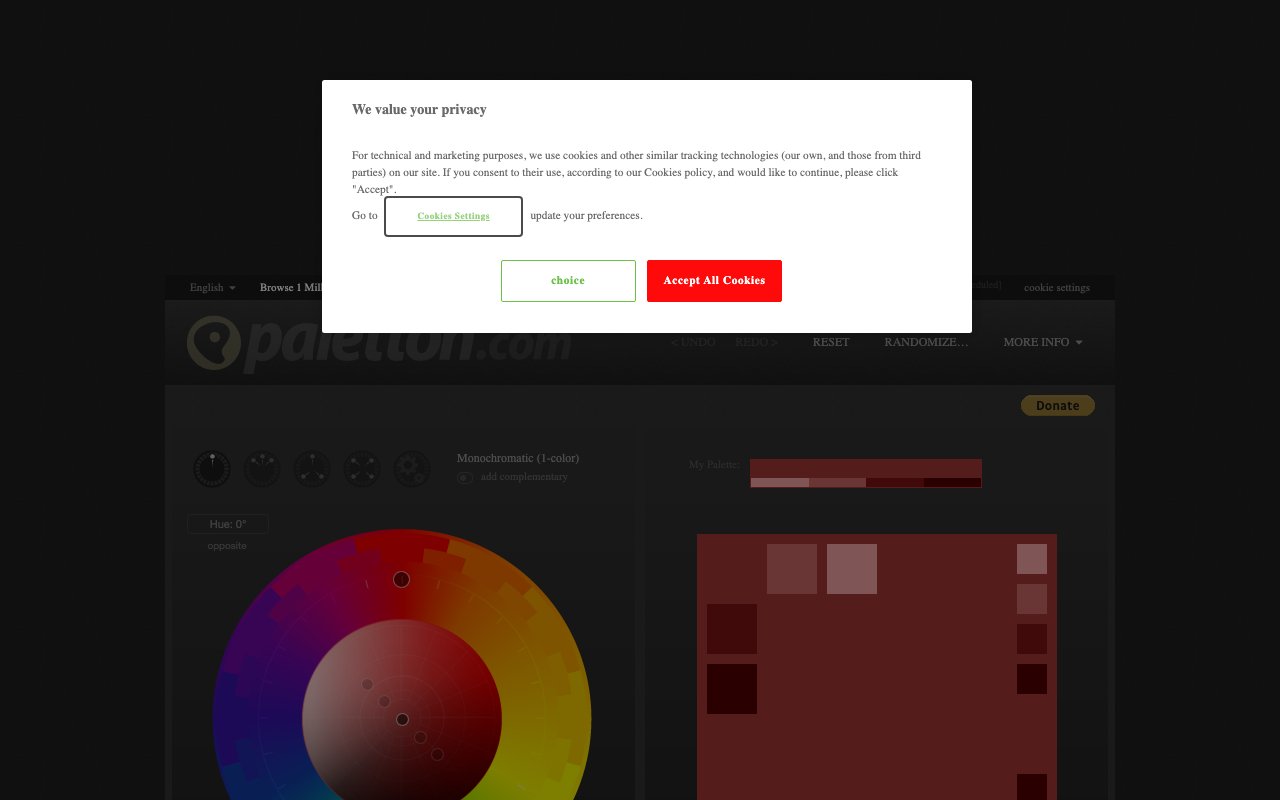
Paletton is an advanced color scheme designer that uses color wheel relationships to generate harmonious palettes. Its visual approach lets you see how colors interact in real-time, with presets for adjacent, triad, and tetrad schemes — particularly strong for web design color systems.
Pigment by ShapeFactory generates beautiful color palettes using pigment-mixing algorithms instead of traditional math-based approaches, resulting in more natural, organic color combinations. Adjust hue and lightness with simple sliders for instant palette exploration.
Pika excels at creating motion from static images with Pikaffects for post-generation editing like enhancing steam or adding plant motion via text. Perfect for social media designers and content creators who need quick, engaging videos with cinematic quality and audio sync capabilities.
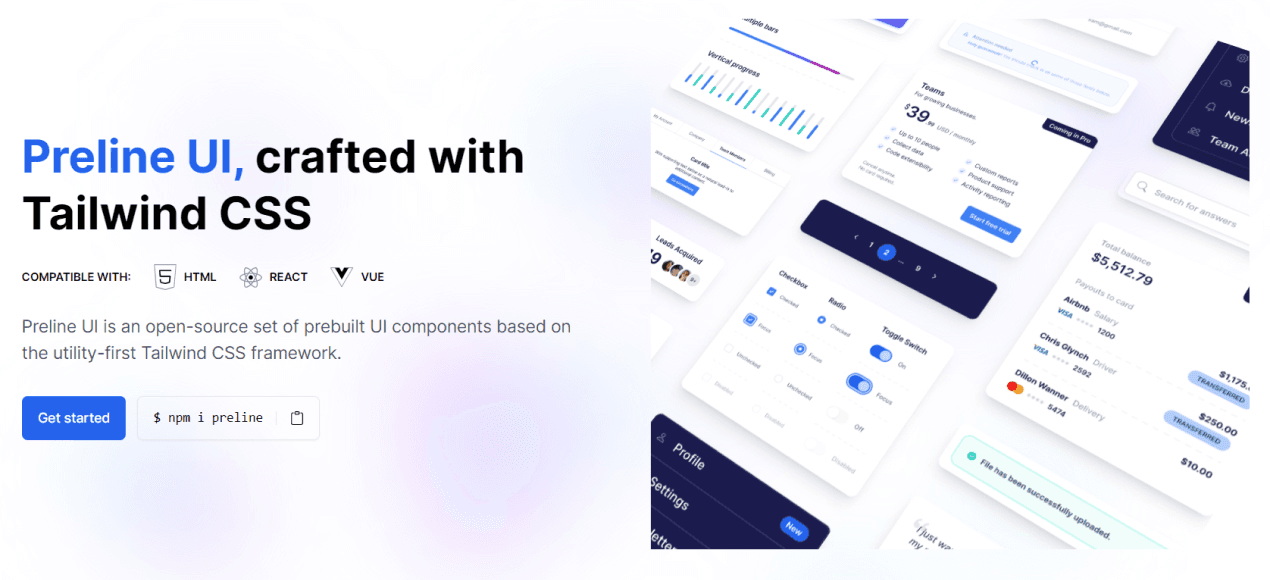
Comprehensive free component library with 5,000+ Tailwind CSS-based components featuring auto-layout and Figma Tokens compatibility. 100% free with extensive component coverage, perfect for Tailwind CSS projects requiring no licensing fees.
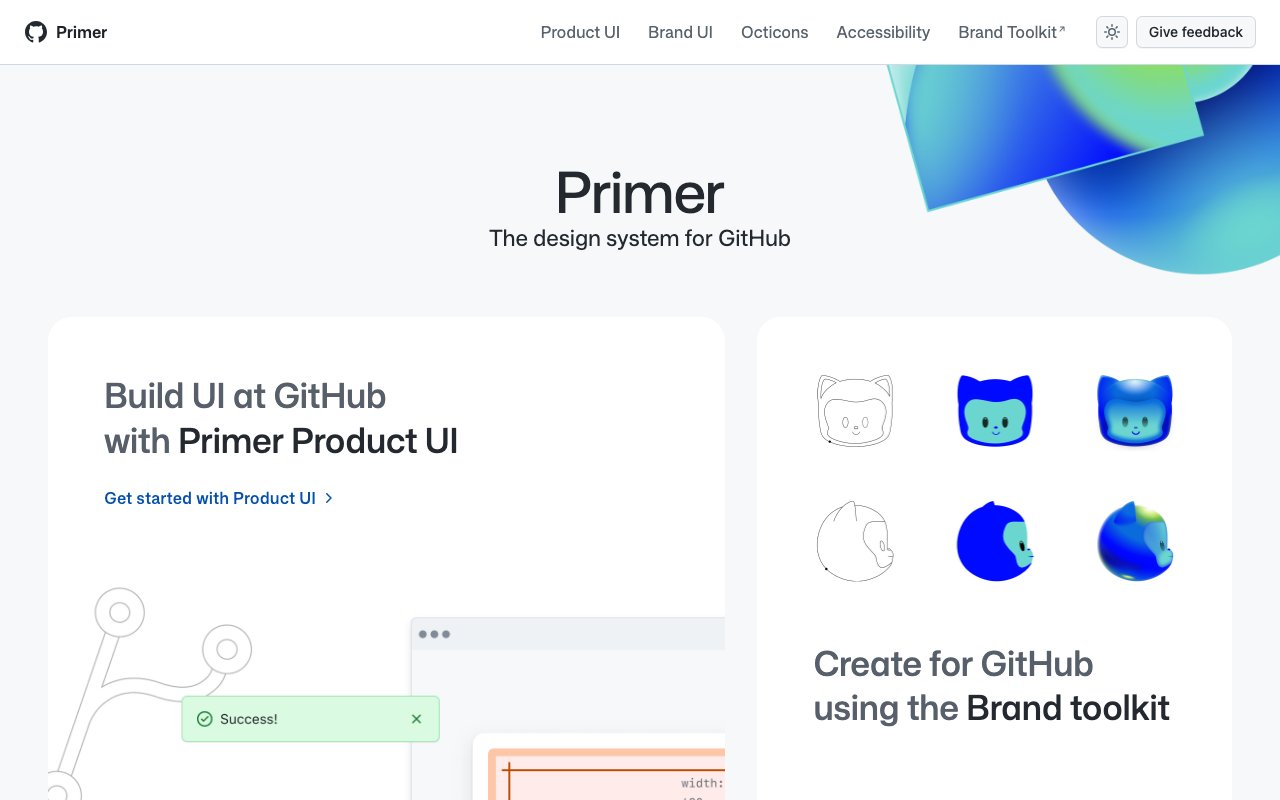
Primer is GitHub's open-source design system featuring React components, CSS utilities, Figma kits, and detailed documentation. Its thoughtful approach to accessibility, color modes, and responsive design makes it an excellent reference for building modern design systems.
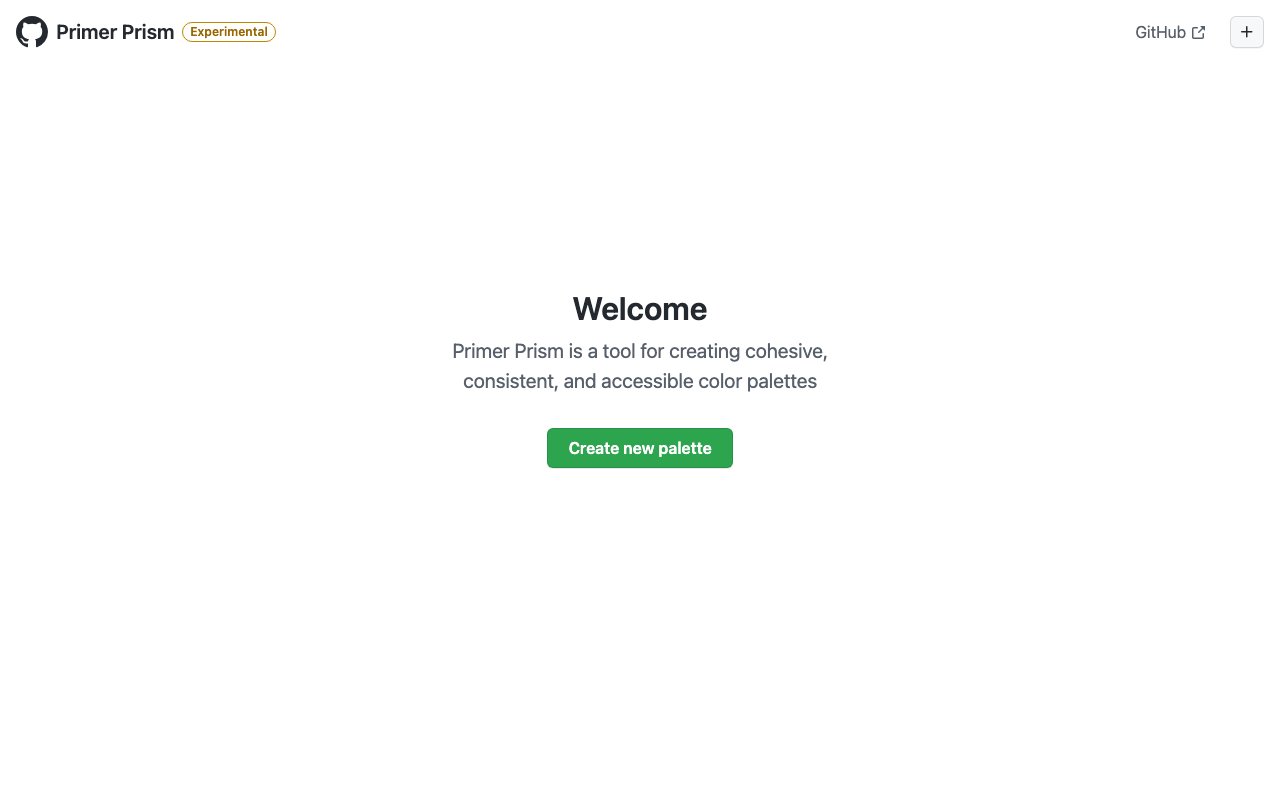
Primer Prism, created by GitHub's design team, helps you build cohesive and accessible color systems from a single base color. It generates consistent color scales with built-in WCAG contrast checking — essential for design system color token creation.
Randoma11y generates random accessible color combinations that meet WCAG contrast requirements. Each pair is guaranteed to pass accessibility standards, making it a quick way to find usable color combos when you're stuck — vote on favorites to surface the best combinations.
Recraft generates production-ready, editable SVG vectors from text prompts and converts raster images to scalable vectors with precise style control. Essential for brand designers, logo creators, and UI designers who need clean, scalable graphics that maintain quality across all sizes and applications.
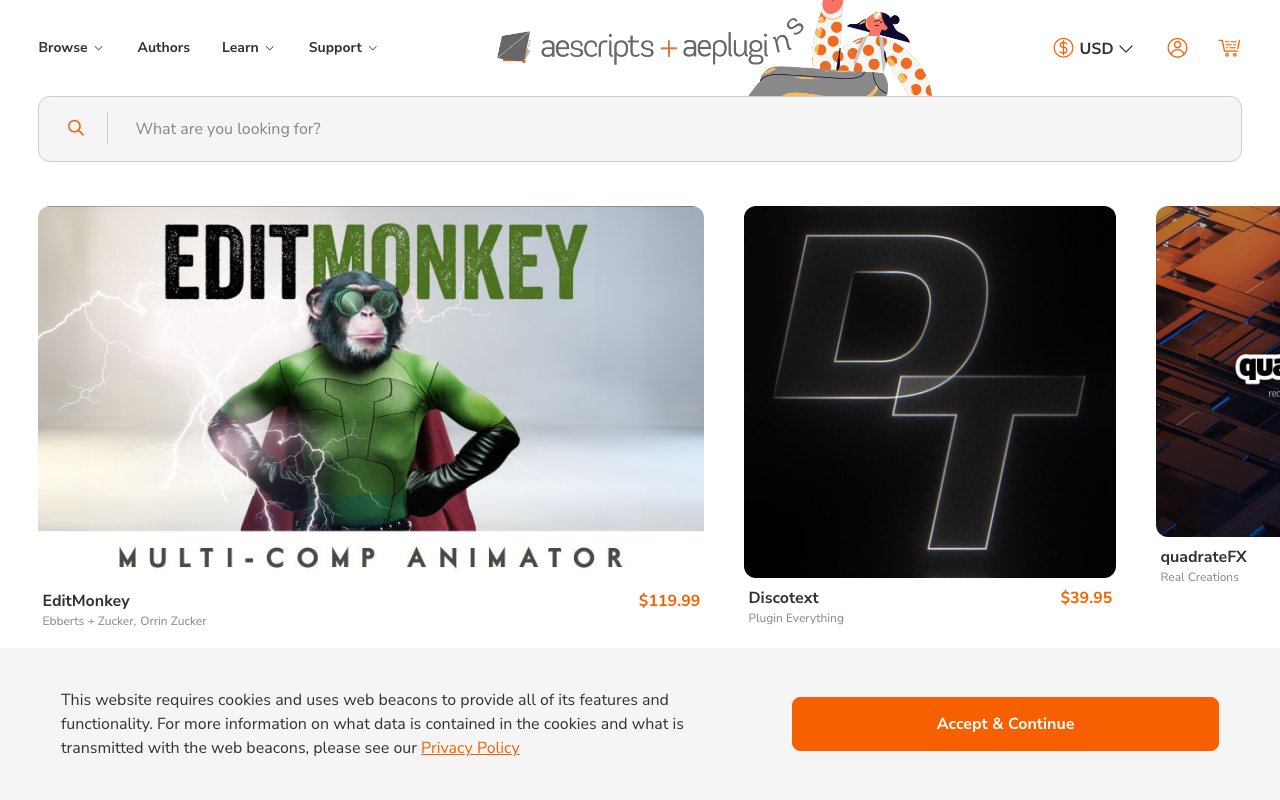
aescripts + aeplugins is the largest marketplace for After Effects and Premiere Pro scripts, plugins, and extensions. From animation helpers to rendering tools, it's where motion designers find the specialized tools that power professional workflows.
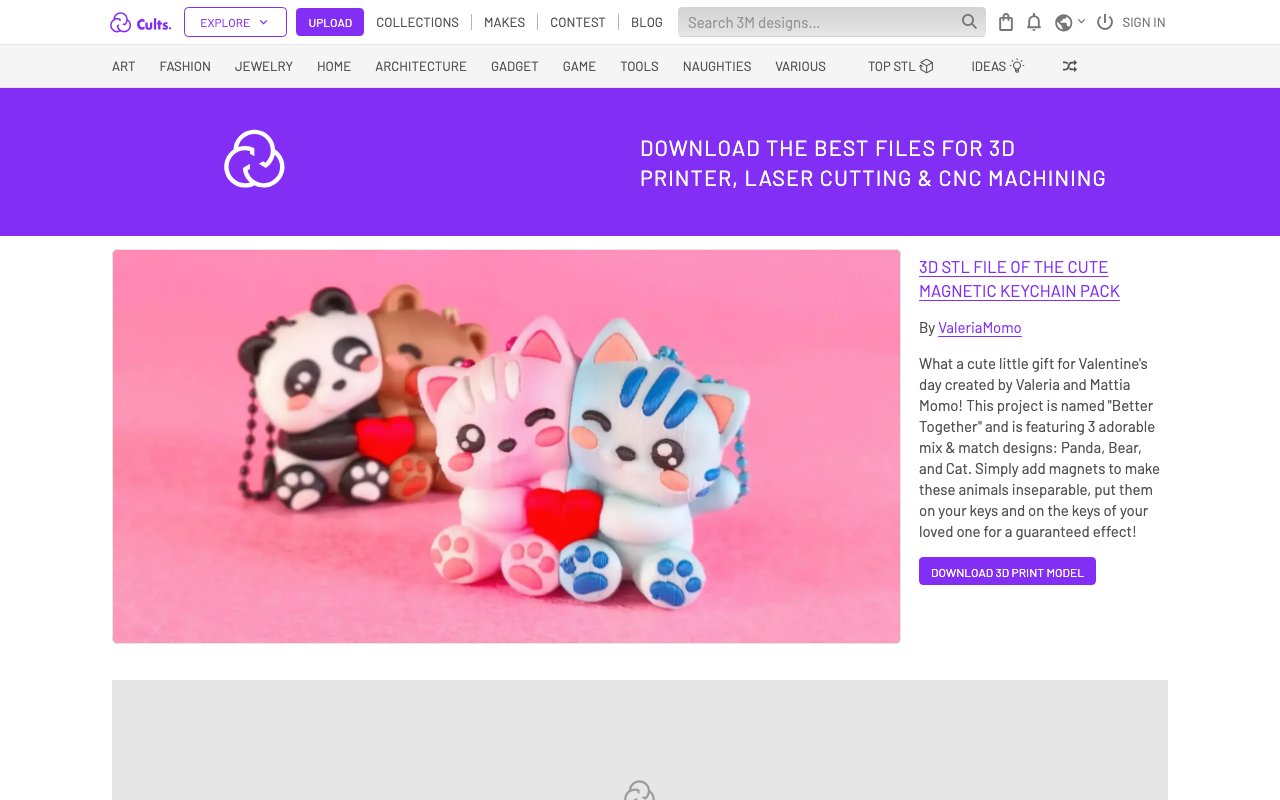
Cults is a marketplace for downloading free and premium 3D printer models across categories like art, fashion, jewelry, and architecture. Designers can browse thousands of ready-to-print STL files or sell their own creations to a global community.
ABC Dinamo is a Swiss type foundry creating innovative, expressive typefaces that push typographic boundaries. Their catalog features variable fonts, kinetic type, and experimental designs that give projects a distinctive, contemporary voice.
Runway Gen-4 offers advanced camera control tools and reference conditioning for consistent character and scene continuity across shots. Essential for designers working on video content, motion graphics, and filmmaking projects where professional quality and precise directorial control are paramount.
Rytr is an AI writing assistant that generates blog posts, emails, ad copy, and social media content in over 30 languages. With 40+ use case templates and tone customization, it helps designers and marketers overcome writer's block and produce content faster.
Shots lets you create beautiful device mockups and presentation frames in seconds — just drop in your screenshot, pick a device template, customize the background, and export. No Photoshop needed. Essential for portfolio presentations and social media marketing.
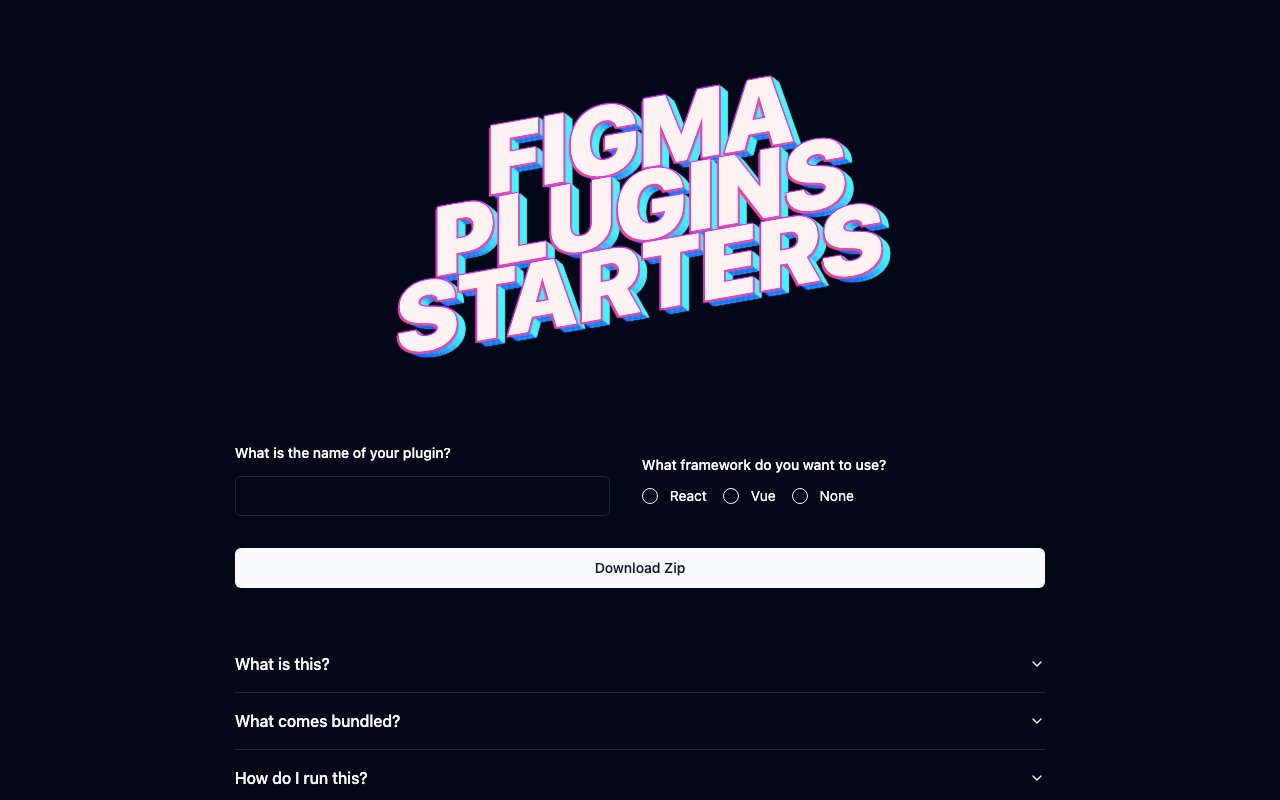
dotenv.dev's Figma starter lets you generate a fully configured plugin project with your choice of framework (React, Vue, or vanilla), bundling, and TypeScript setup. It eliminates boilerplate setup so you can focus on building your plugin's actual functionality.
A curated collection of animated brand guidelines and motion identity systems from top creative studios. Shows how brands extend their visual identity into motion — a growing design discipline that bridges static brand guides and dynamic digital experiences.
Spline is a web-based collaborative 3D design tool with integrated AI features, making 3D design accessible to teams without deep technical expertise. Perfect for web designers, product teams, and UI designers who want to create interactive 3D experiences and prototypes directly in the browser.
Stable Diffusion is an open-source generative AI model offering complete control over text-to-image synthesis, inpainting, and customization via fine-tuning. Essential for designers who need unlimited creative freedom, custom model training, and integration into their own workflows without usage restrictions or costs.
Stark is a comprehensive accessibility suite that integrates with design tools like Figma, Sketch, and Adobe XD to help designers check contrast, simulate vision conditions, and ensure accessible color choices. It provides real-time accessibility feedback during the design process, making it easier to catch and fix issues before they reach development.
Streamline offers the world's largest icon library with 190,000+ icons, illustrations, and emojis in multiple styles — from minimal line to detailed filled. Its Figma plugin, desktop app, and comprehensive search make finding the right icon effortless.
Professional color palette generator rebuilt for the web. More powerful and accessible version of the popular Figma plugin.
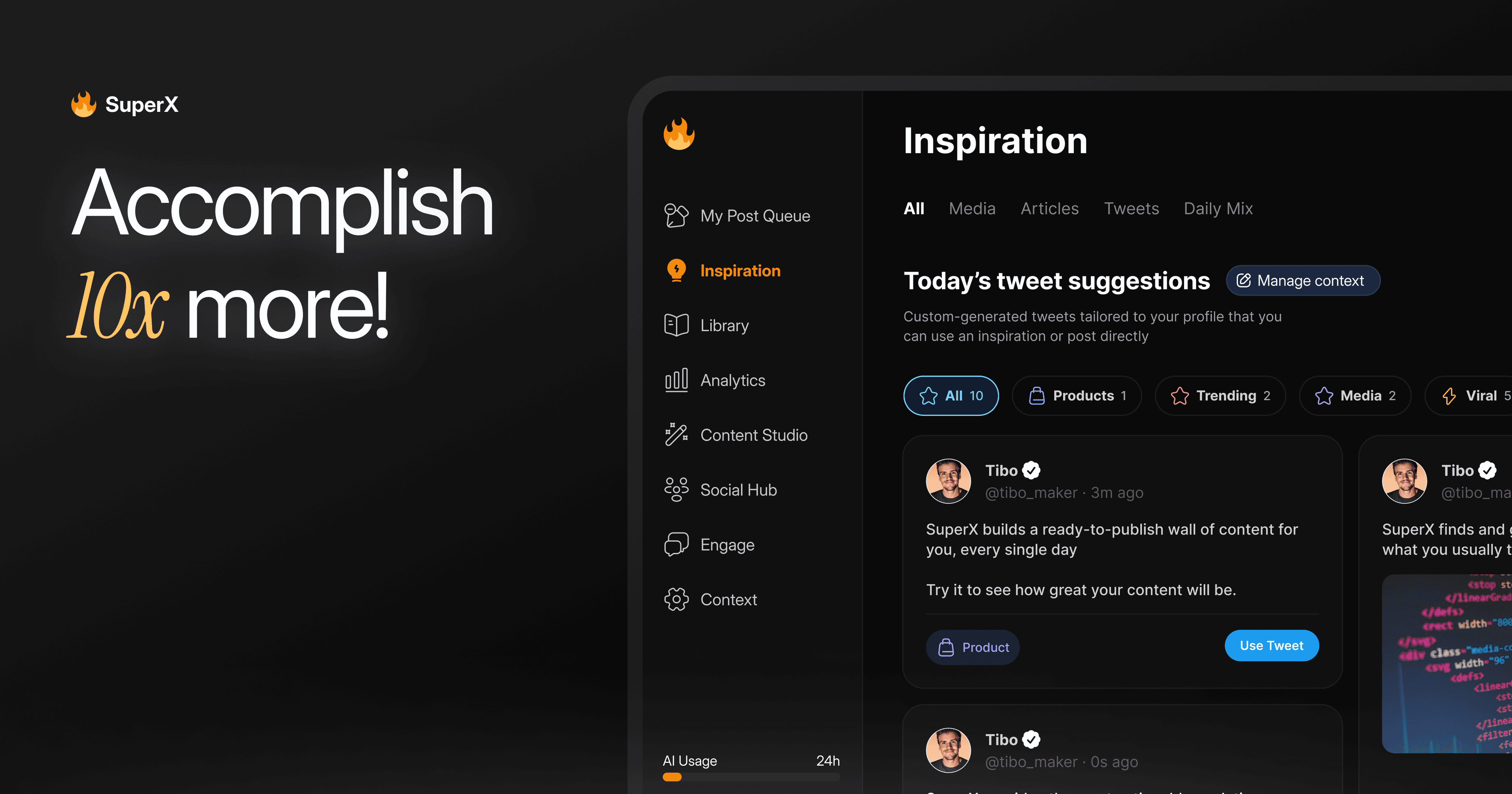
SuperX Chrome extension for X (Twitter) analytics. Track follower growth, engagement metrics, and post performance. Free analytics dashboard for creators.
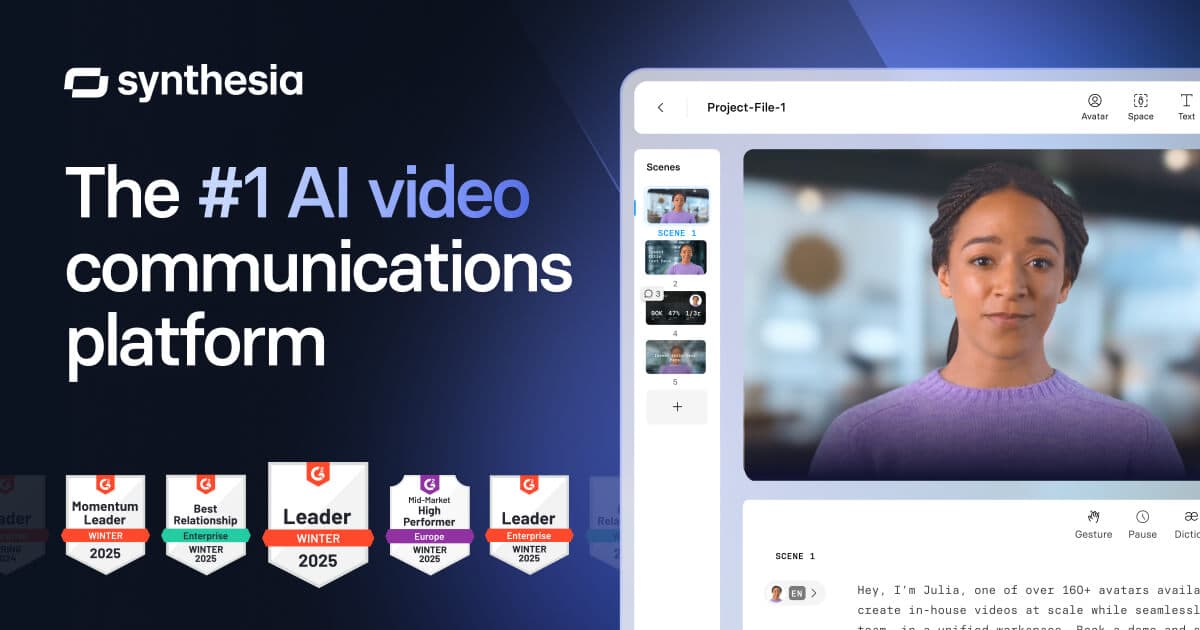
Synthesia offers streamlined AI video creation with lifelike avatars, one-click translations, and brand kits for consistent corporate communications. Essential for design teams in large organizations creating training materials, onboarding videos, and internal communications at scale with professional consistency.
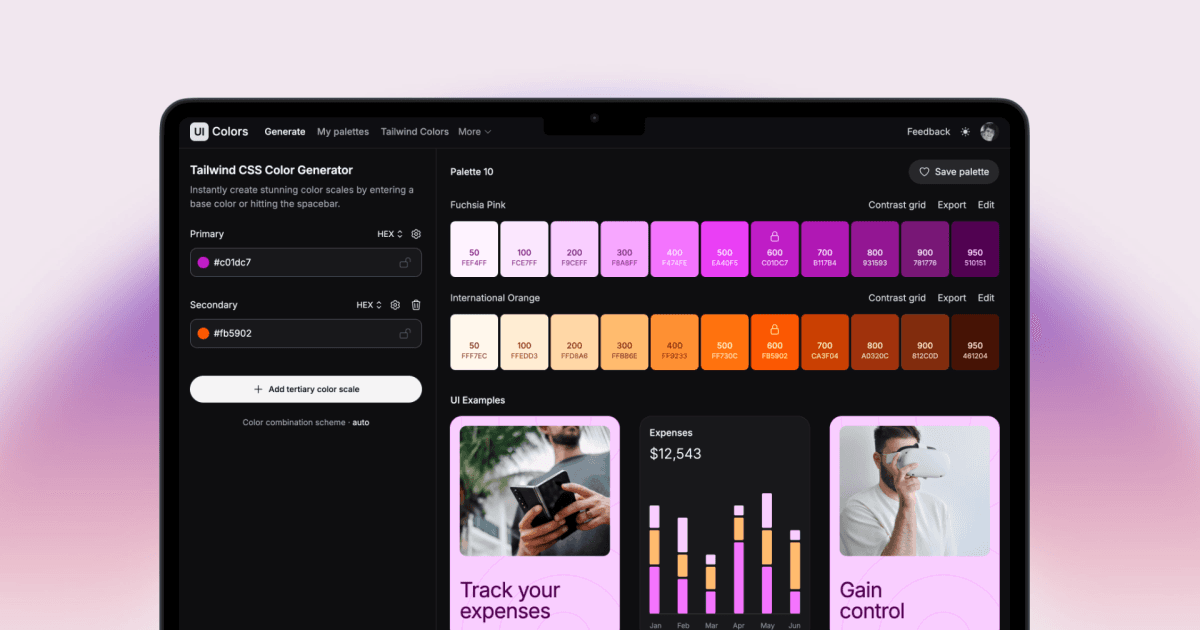
A specialized color generator that creates complete Tailwind CSS color scales from a single color input. It produces 50-950 shade ranges that match Tailwind's naming convention, ready to paste into your tailwind.config.js for custom brand colors.
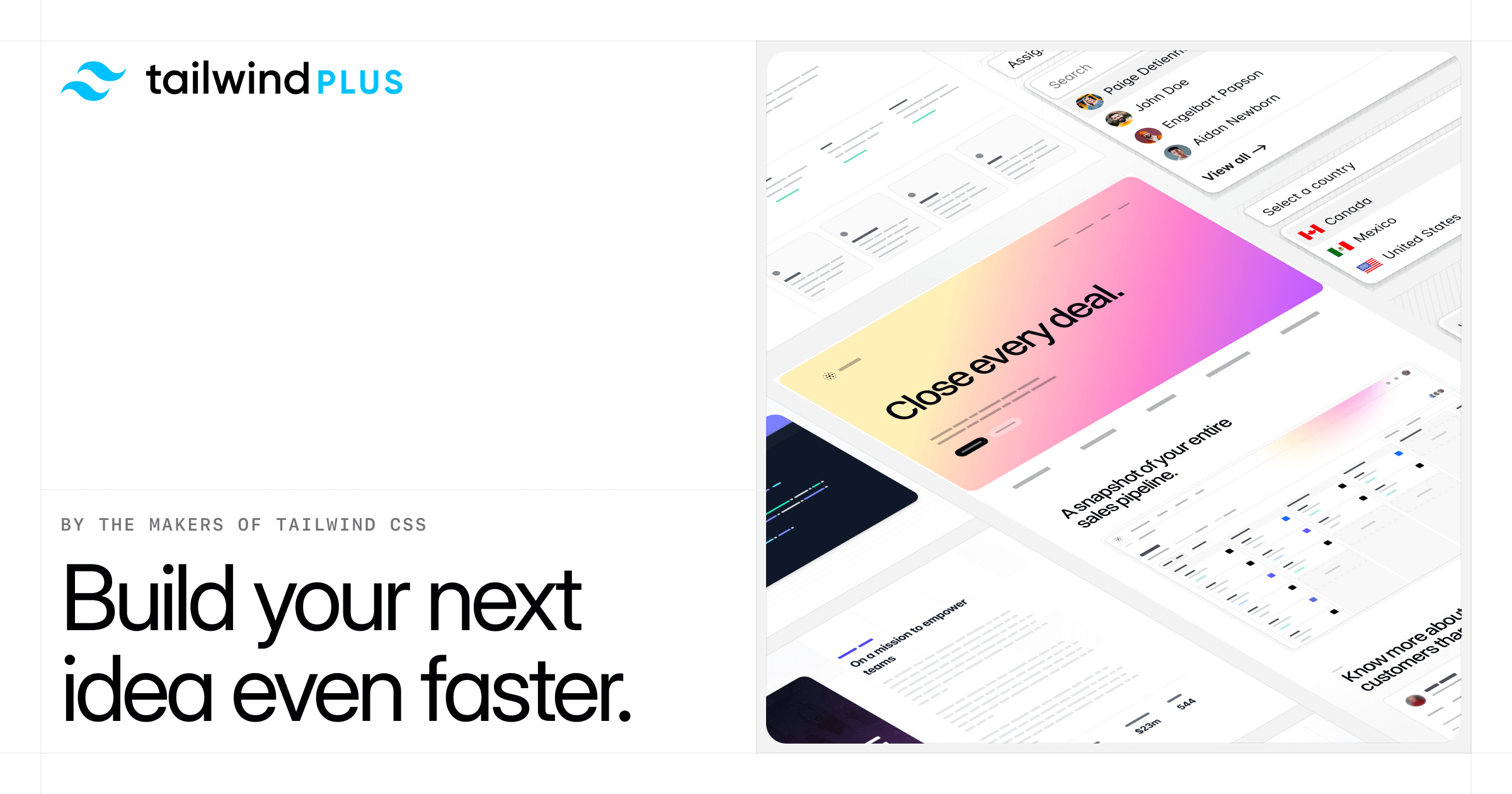
Tailwind UI is the official component library from the creators of Tailwind CSS, providing 500+ professionally designed, responsive components and templates. Each component is production-ready HTML with Tailwind classes — paste it into your project and customize.
A comprehensive overview of modern UI design trends including bento grids, neubrutalism, glassmorphism, spatial interfaces, and AI-driven personalization. Includes practical implementation tips for each trend.
The Component Gallery collects and compares UI components across real design systems — see how different companies implement buttons, modals, navigation, and more. An invaluable research tool when designing components for your own system.
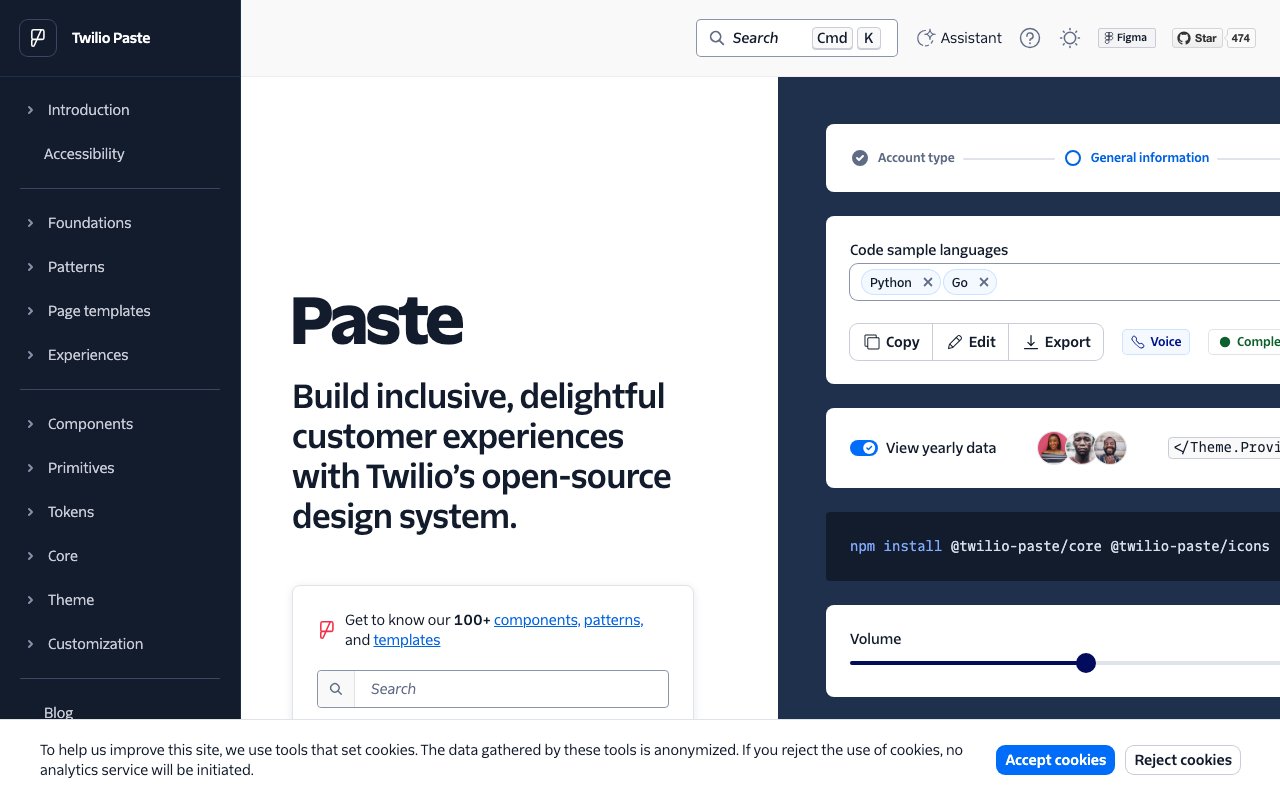
Paste is Twilio's design system built for creating consistent customer engagement experiences. It provides a rich set of accessible React components, design tokens, and detailed usage guidelines — one of the most thorough open-source design systems available.
Typekit was Adobe's font service, now integrated into Adobe Fonts. It pioneered web font delivery and brought premium foundry fonts to designers through Creative Cloud subscriptions. The technology continues to power font syncing and web hosting within Adobe Fonts.
Coursera's UI/UX Design Specialization is a multi-course program covering the full design process — user research, wireframing, prototyping, and visual design. Offered by CalArts, it provides a structured path with peer-reviewed projects and a shareable certificate.
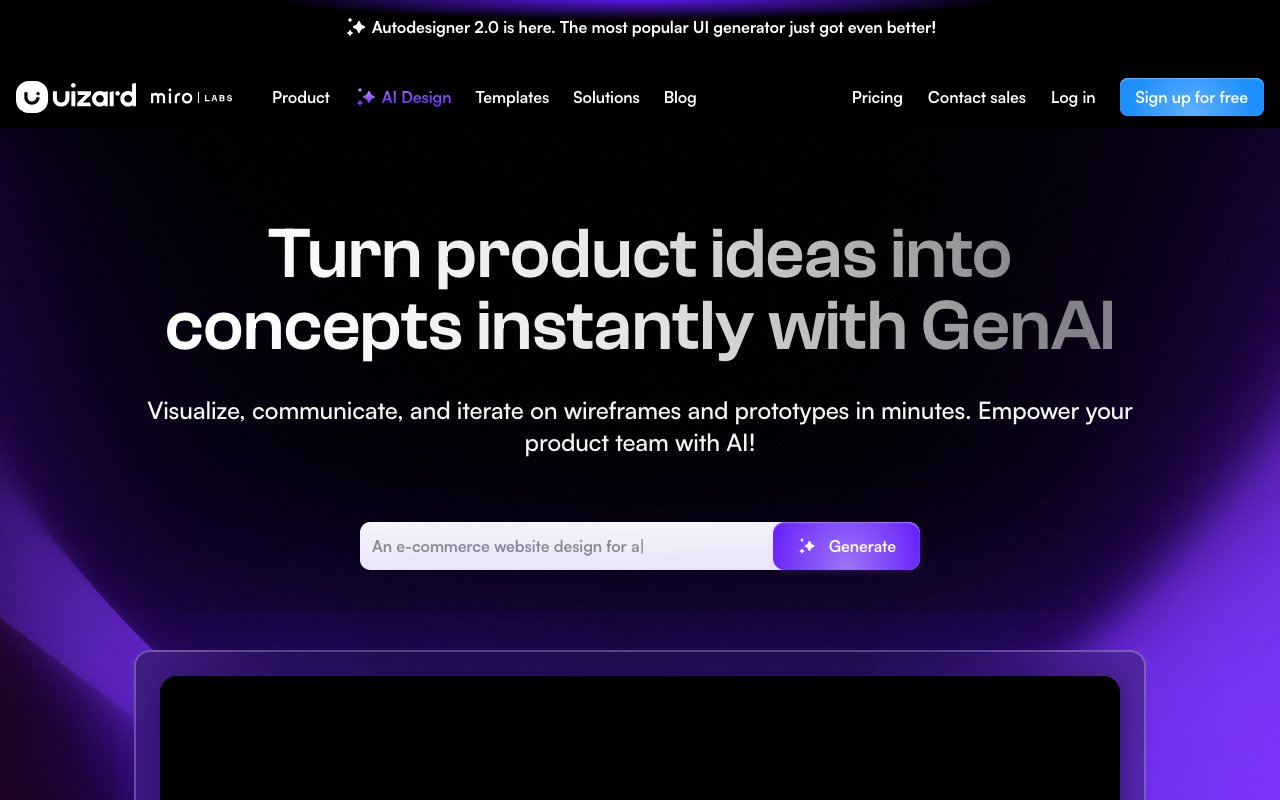
Uizard transforms hand-drawn sketches and screenshots into editable UI designs with Autodesigner 2.0 for multi-screen prototypes from text prompts. Perfect for product managers and UX designers who need to rapidly explore concepts, create wireframes, and generate pitch-ready visuals without deep design expertise.
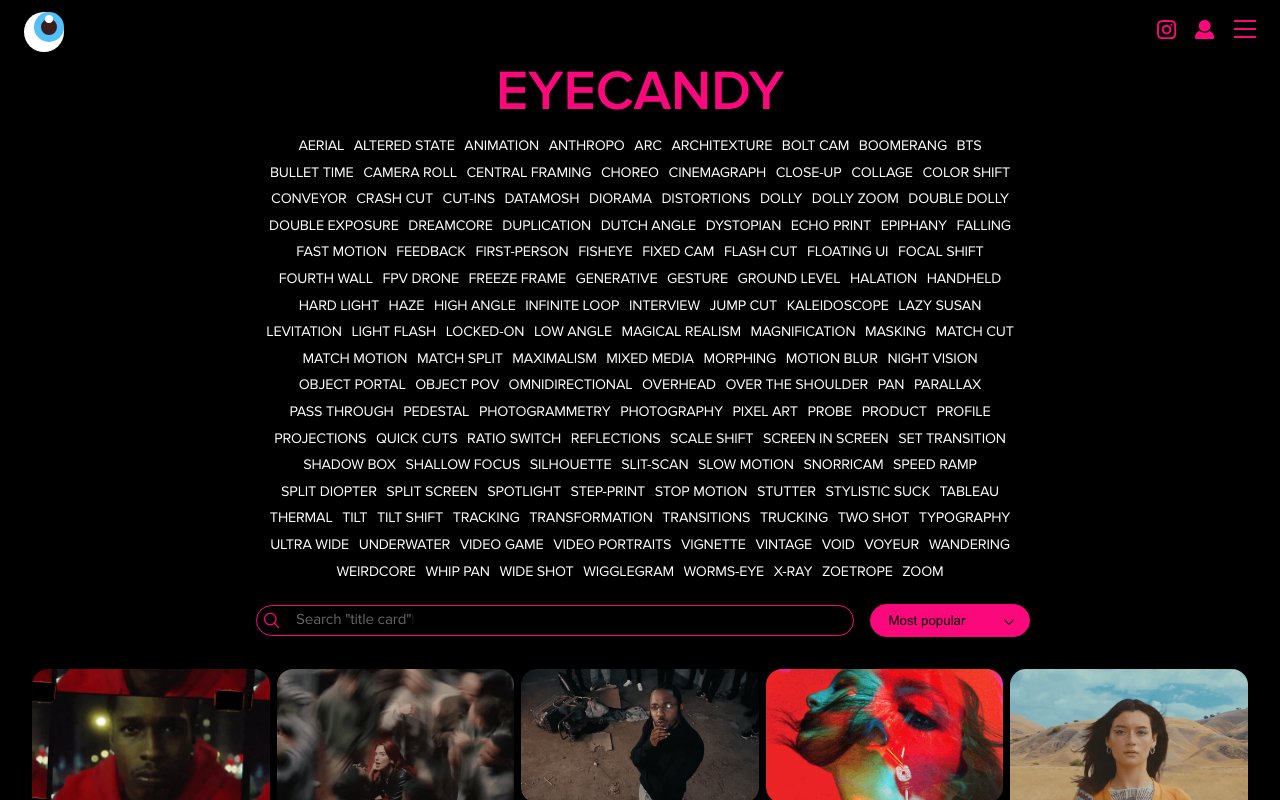
Eyecandy (eycndy) is a categorized library of visual design techniques — distortion, particle effects, glitch, fluid, and dozens more. Each category shows real-world examples of the technique in action, making it an incredible tool for discovering and referencing visual effects.
Adobe Fonts (formerly Typekit) gives Creative Cloud subscribers access to 25,000+ high-quality fonts from world-class foundries — all included in the subscription. Fonts sync automatically across desktop and web, with no extra licensing needed for commercial use.
Free Faces is a curated gallery of the best free typefaces available — each vetted for quality and presented with elegant specimens. It cuts through the noise of font aggregators to surface genuinely well-designed free fonts for serious design work.
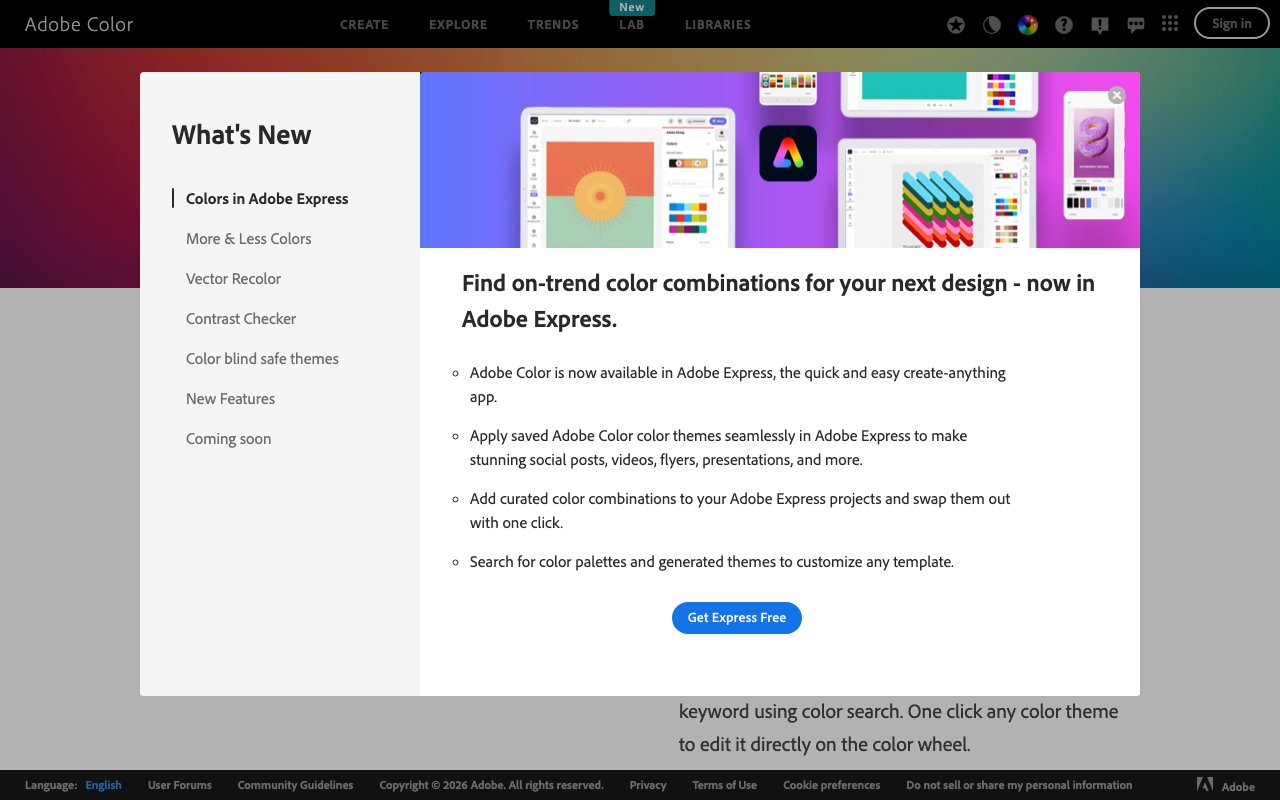
Adobe Color is a free web tool for creating, exploring, and saving color palettes using color theory rules like complementary, analogous, and triadic harmony. It integrates directly with Creative Cloud apps and lets you extract palettes from uploaded images.
Discover UNMS research app—AI-powered tool for academic and market research. Automate data gathering, analyze sources, and elevate insights. Try it free.
The world's largest Figma UI kit with 10,000+ components and variants, 900+ global styles, and 420+ page examples. Built with 100% Auto Layout 5.0, smart variants, Figma variables, and accessibility focus. Perfect for rapid prototyping and comprehensive design systems.
General Assembly's on-demand UX Design course covers user research, information architecture, wireframing, and usability testing. Known for its practical, career-focused approach, it provides portfolio-ready projects and mentorship from working designers.
UXPin is a design tool that bridges the gap between design and code by letting you build prototypes with real React, Storybook, or npm components. Its merge technology means designers work with production components directly, eliminating design-development drift.
v0 converts Figma designs and screenshots into polished React components for Next.js with iterative chat refinement. Essential for UI/UX designers who want to bridge the design-to-code gap, offering production-ready components that maintain design fidelity while integrating seamlessly with development workflows.
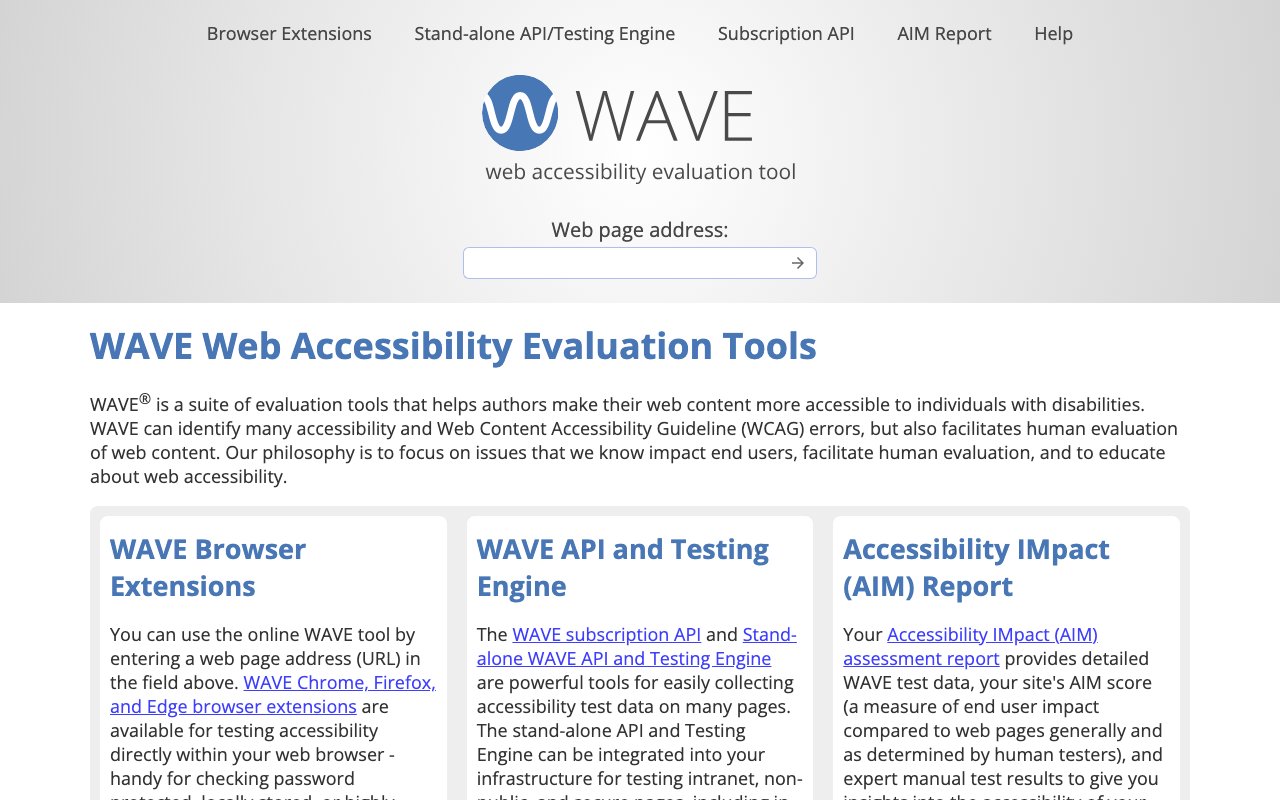
WAVE (Web Accessibility Evaluation Tool) provides visual feedback about the accessibility of your web content by injecting icons and indicators into your page. It helps identify accessibility errors, alerts, and structural elements, making it easy to see exactly where issues exist and understand their impact on users.
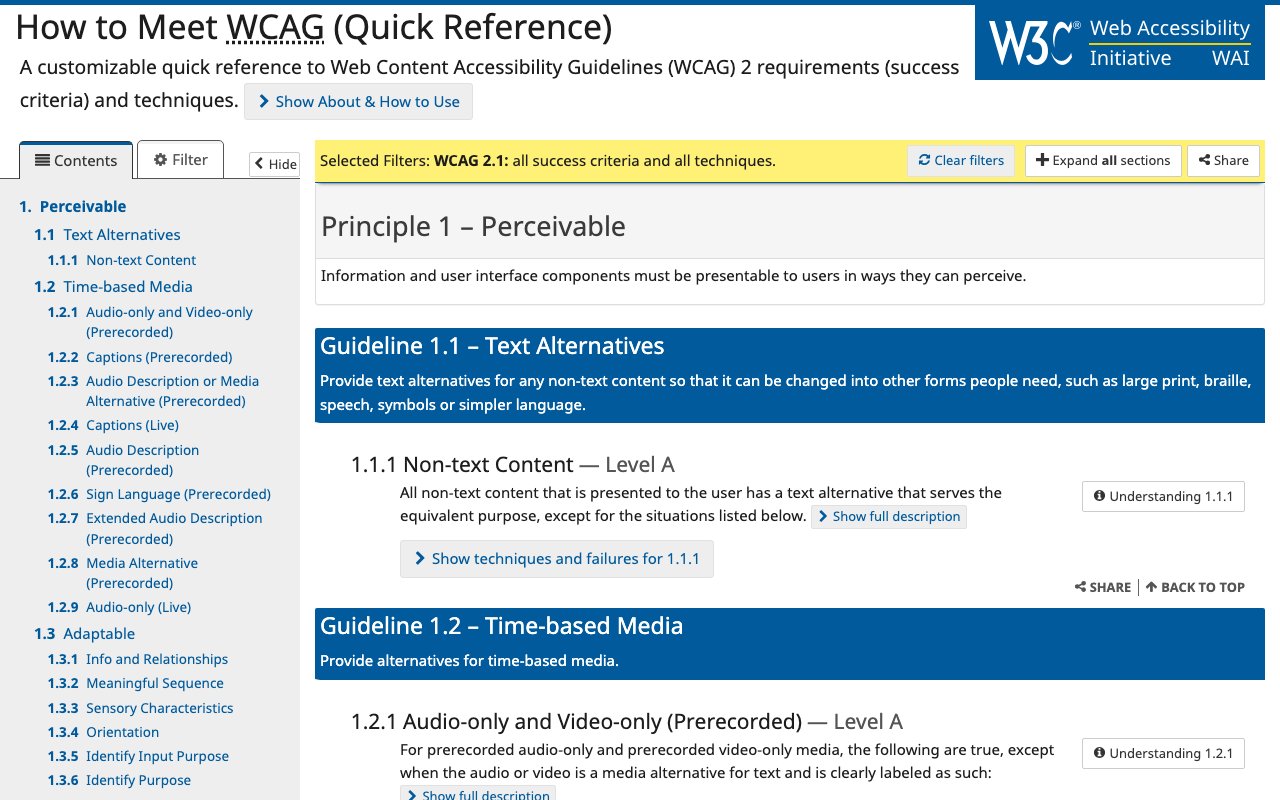
The Web Content Accessibility Guidelines (WCAG) Quick Reference is the official, authoritative source for web accessibility standards and requirements. It provides a filterable, searchable interface to explore all accessibility guidelines, success criteria, and techniques, making it the definitive resource for understanding what makes content accessible.
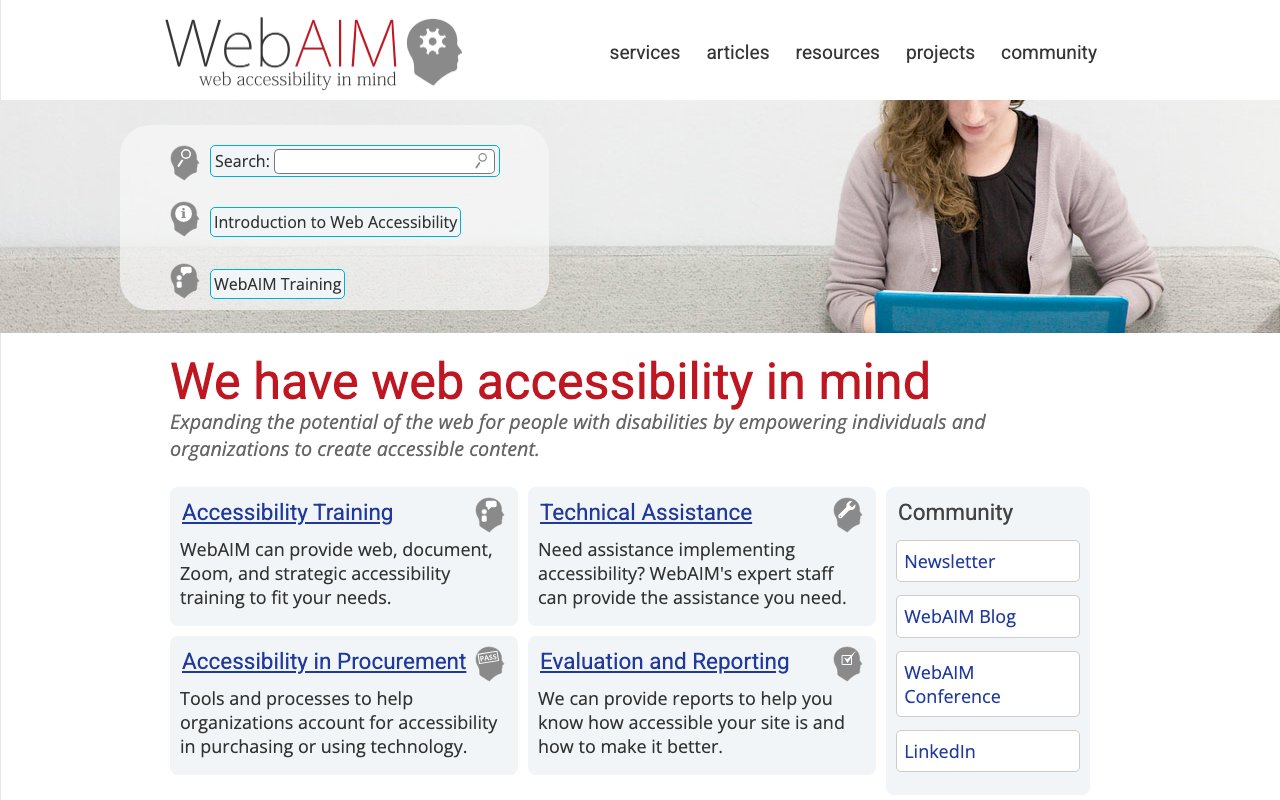
WebAIM (Web Accessibility In Mind) is a comprehensive educational resource providing in-depth articles, tutorials, and training materials on web accessibility. It offers both technical guidance and conceptual understanding of accessibility principles, making it an invaluable resource for anyone looking to build more inclusive digital experiences.
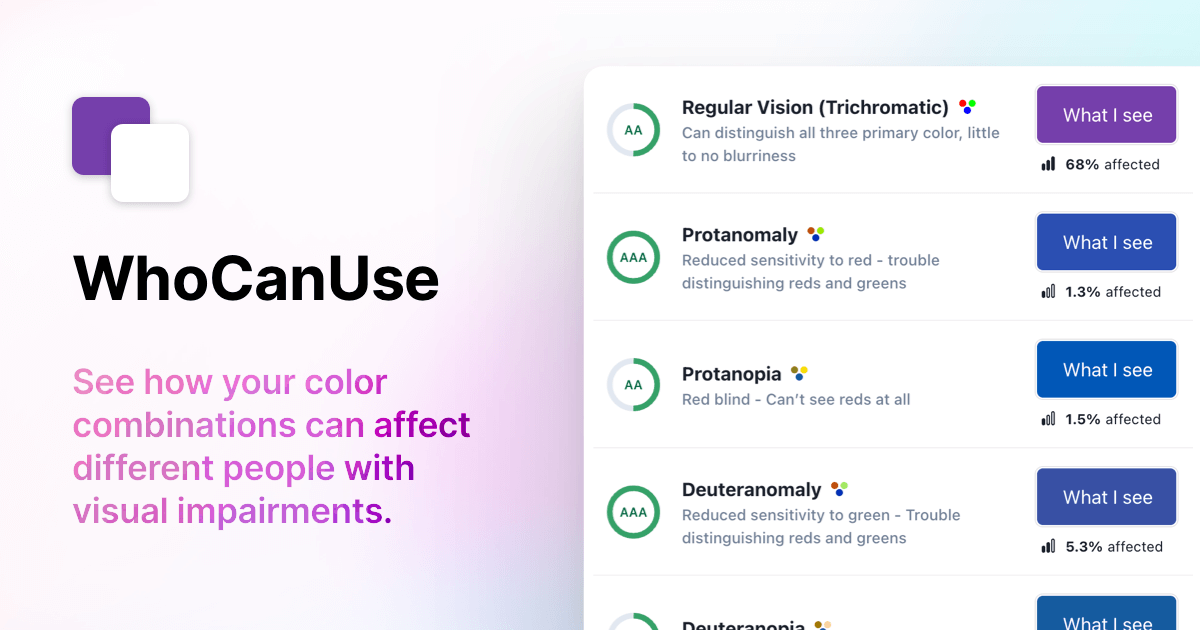
Who Can Use shows how color contrast affects people with different types of vision, including various forms of color blindness and low vision conditions. It provides a powerful visual demonstration of why accessibility matters by showing exactly who can and cannot perceive your color choices clearly.
Wise's design system showcases how a global fintech company creates consistent, trustworthy interfaces across 80+ countries. A great case study in designing for internationalization, clarity in financial interfaces, and multi-platform consistency.
Womp is a beginner-friendly 3D design tool that runs entirely in the browser. Using an intuitive clay-like modeling approach, it lets anyone create 3D illustrations, icons, and scenes without the steep learning curve of traditional 3D software.
Workbench is Gusto's open design system providing components and patterns specifically built for complex business applications — payroll, HR, and benefits interfaces. A valuable reference for teams designing dense, data-heavy admin UIs.
Flowbase is the world's largest library of Webflow, Figma, and Framer components with 3,500+ ready-to-use elements — navbars, headers, content sections, dashboards, and more. Copy-paste components directly into your projects to accelerate design and development.
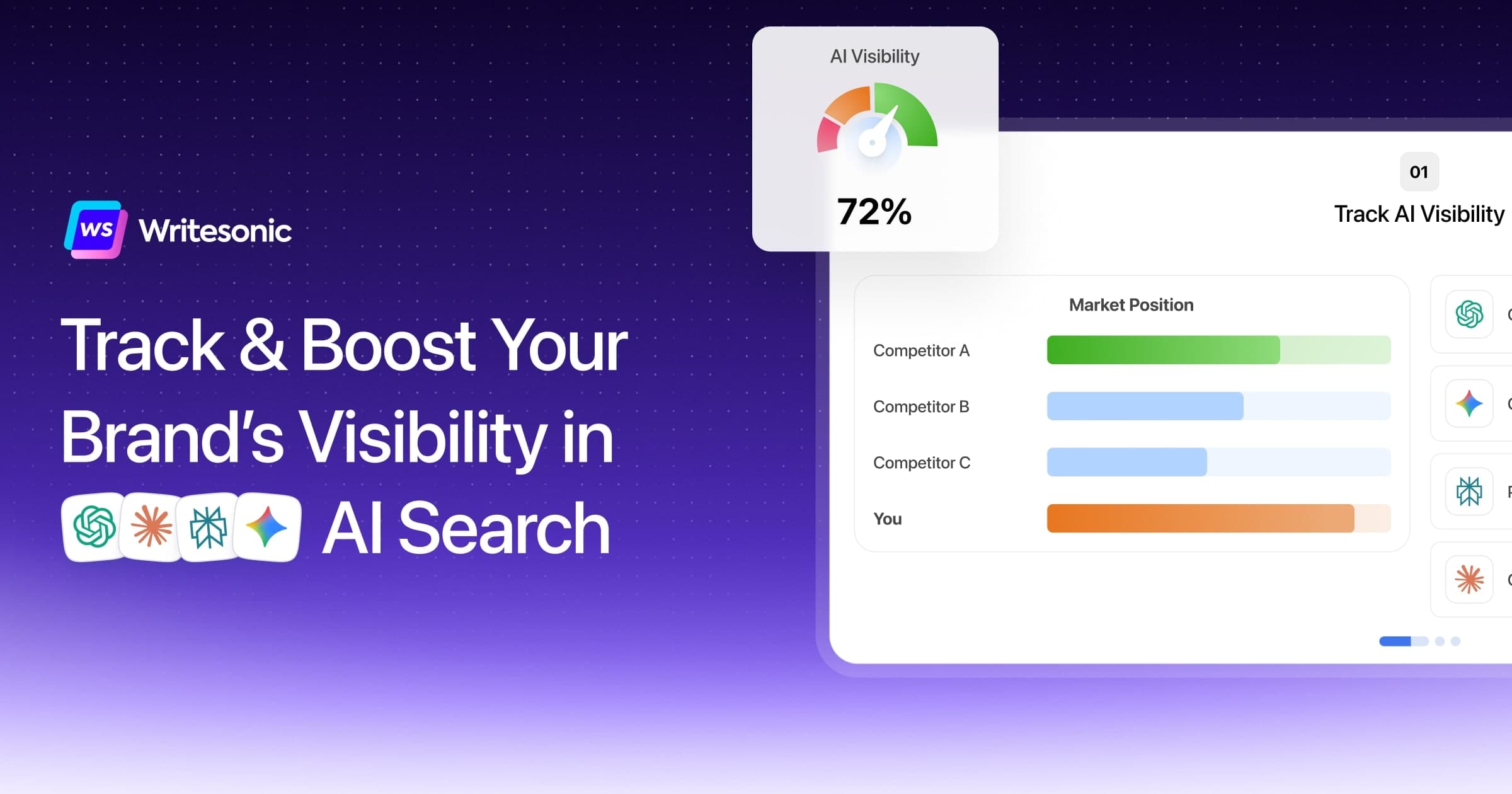
Writesonic is an AI content platform combining a writing assistant, SEO optimizer, and chatbot builder. It helps marketing teams create SEO-friendly blog posts, landing page copy, and product descriptions while analyzing content for search performance.






-min.png&w=3840&q=75)




























-design-on-demand-course.jpg)